Think about an elite athlete, primed and conditioned to perform at their absolute best every game — constant training, regular assessments, and a sharp focus on peak performance. Now, consider your home's HVAC system as the MVP of your indoor comfort team. Just like athletes need routine care and conditioning to avoid injuries and maximize their output, your heating, ventilation, and air conditioning system requires methodical HVAC maintenance to sustain optimal performance, lower energy bills, and extend equipment life.
1. Understanding the MVP Mindset: Why Routine HVAC Maintenance Matters
Elite athletes don’t arrive at game day without months of planning. The same philosophy applies to your HVAC system. Skipping routine checkups could lead to sudden breakdowns, reduced efficiency, and higher costs, analogous to an athlete’s career being cut short by preventable injuries.
1.1 Performance Optimization
Regular maintenance keeps HVAC components clean, lubricated, and calibrated, helping systems operate at peak efficiency. According to industry data, well-maintained HVAC units consume up to 15% less energy — translating to significant energy savings for homeowners.
1.2 Extending System Lifespan
Just as an athlete’s body far outlasts those neglected, an HVAC system routinely serviced can easily outlive the average lifecycle of 12-15 years, saving owners unnecessary replacement costs.
1.3 Avoiding Emergency Repairs
Unexpected HVAC failures during extreme weather can disrupt comfort and incur premium repair costs. A preventative approach minimizes emergencies, just like pre-game warm-ups reduce injury risk.
2. The Playbook: Essential Routine Checks for Your HVAC System
Like training drills focusing on key skills, specific HVAC checks safeguard system health. Here are core routine maintenance practices every homeowner should incorporate:
2.1 Air Filter Replacement
Dirty filters strain airflow and degrade indoor air quality. Change or clean filters every 1-3 months based on manufacturer guidelines and household conditions. This simple step directly affects system energy efficiency.
2.2 Thermostat Calibration
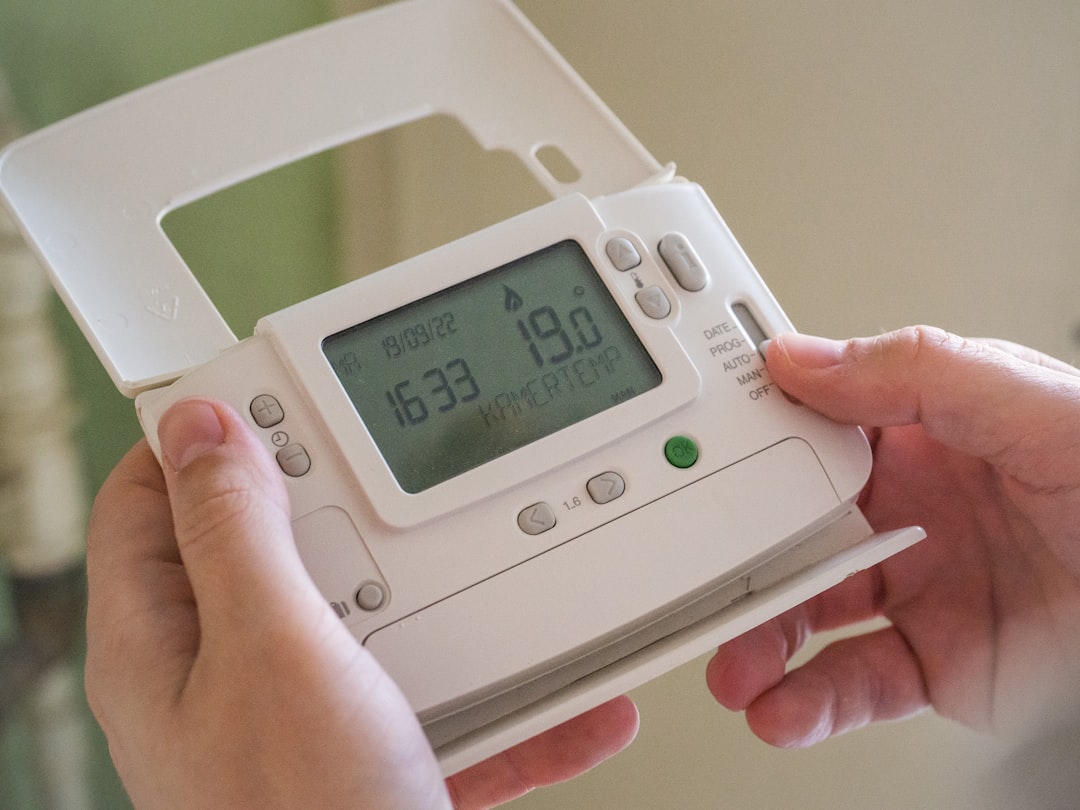
Ensure your thermostat accurately measures temperatures. Miscalibration can cause short cycling or excessive runtime, analogous to an athlete working with faulty gear. Programmable thermostats add control and savings.
2.3 Inspect and Clean Coils
Evaporator and condenser coils gather dirt over time, inhibiting heat transfer. Cleaning these components annually helps maintain capacity and prevents overheating issues.
3. Conditioning Your System: Preventative HVAC Maintenance Strategies
Preventative care prevents minor issues from snowballing into costly repairs. Like a conditioning coach devises personalized workout plans, HVAC owners should adopt tailored maintenance routines.
3.1 Schedule Annual Professional Tune-Ups
Licensed technicians perform comprehensive inspections, check refrigerant levels, test electrical connections, and verify airflow. These detailed assessments align with industry best practices.
3.2 Seal and Insulate Ductwork
Leaky ducts waste conditioned air and force your system to overwork. Sealing ducts not only enhances performance but improves indoor air quality by preventing dust infiltration, paralleling an athlete’s focus on injury prevention techniques.
3.3 Update Components Judiciously
Replacing worn belts, capacitors, and sensors before failure sustains smooth operation. Think of these upgrades as an athlete replacing worn shoes — small changes yielding substantial gains.
4. The Energy-Saving Advantage: How Maintenance Cuts Costs
Routine maintenance directly correlates with your utility bills. Studies indicate that efficient HVAC systems can reduce consumption by 15-20%. This can be the difference between budget relief and unbearable winter heating costs.
4.1 Real-World Energy Savings Example
A recent case study of a family home in a cold climate showed that annual tune-ups combined with filter replacements trimmed heating costs by 18%. This improved household cash flow, akin to how streamlined training maximizes athletic output per effort.
4.2 Smart Thermostats and Energy Monitoring
Installing smart thermostats complements maintenance by providing real-time energy consumption feedback, adaptive scheduling, and remote controls, further empowering homeowners to control costs.
4.3 Avoiding System Overheating and Damage
Preventative maintenance prevents common causes of HVAC overheating, such as clogged filters and dirty coils, which spike energy usage and risk costly breakdowns.
5. Diagnosing Early Signs: When Your HVAC System Needs Attention
Like an athlete paying attention to subtle body signals, homeowners must learn to recognize early distress signs in their HVAC systems.
5.1 Strange Noises and Vibrations
Squealing belts or banging fans indicate wear or loose components that can escalate damage if ignored.
5.2 Irregular Temperature Distribution
Cold or hot spots in the home suggest airflow problems or refrigerant imbalance, requiring professional diagnostics.
5.3 Rising Energy Bills Without Usage Change
Unexpected spikes can hint at declining system efficiency due to clogged parts or failing motors.
6. Indoor Air Quality: The MVP's Secret Weapon
Elite athletes understand that optimal breathing and oxygen intake enhance performance. Likewise, maintaining your HVAC system improves indoor air quality, safeguarding health and comfort.
6.1 Filter Types and Air Purification
Upgrading to HEPA or electrostatic filters traps finer particles, allergens, and pathogens.
6.2 Ventilation and Humidity Control
Proper exhaust and humidification prevent mold growth and stale air, critical in maintaining a healthy home.
6.3 Regular Cleaning of Air Ducts
Dust and debris accumulation in ducts degrade air quality. Periodic cleaning aligns with a comprehensive maintenance plan.
7. Choosing the Right HVAC System: Tailored to Your Home's Play Style
Your home's size, climate, and unique needs shape the ideal HVAC choice, just as an athlete selects training regimens tailored to their sport.
7.1 Furnace vs. Heat Pump vs. Boiler
Each system type has strengths; for example, heat pumps offer efficient heating and cooling but may struggle in extreme cold, where furnaces excel.
7.2 Sizing and Load Calculations
Oversized systems cycle frequently and waste energy, while undersized units cannot maintain comfort. Professional load calculations ensure proper fit.
7.3 Compatibility with Smart Controls
Modern HVAC systems integrate with smart home tech, offering unmatched convenience and efficiency improvements.
8. Finding and Working with HVAC Professionals: Your Coaching Team
Elite athletes don’t go it alone; they rely on coaches, trainers, and medical staff. Similarly, professional HVAC installers and technicians make all the difference in system performance.
8.1 Vetting Local Installers and Service Providers
Look for licensed, insured, and well-reviewed contractors. Using local resources can provide faster service and personalized expertise. For more on finding reliable help, consult our guide on vetted HVAC technicians.
8.2 Asking the Right Questions
Enquire about maintenance plans, emergency service availability, and warranties. Clear communication ensures expectations are aligned.
8.3 Understanding Service Contracts and Costs
Service agreements provide peace of mind and often include discounts on repairs. Compare plans carefully before committing.
9. DIY Maintenance: Pre-Game Warmups You Can Do Yourself
While pros handle the detailed conditioning, homeowners can perform simple maintenance tasks safely, akin to athletes’ daily stretching routines.
9.1 Checking and Changing Filters
Set calendar reminders to replace filters regularly and check for signs of heavy dust buildup.
9.2 Clearing Debris Around Outdoor Units
Ensure vents and condenser units are free of leaves, snow, and obstructions to improve airflow.
9.3 Inspecting for Visible Issues
Look for disconnected wires, water leaks, or unusual wear signs and alert your technician promptly.
10. The Winning Edge: Leveraging Technology for HVAC Excellence
Modern technology offers tools rivaling today’s advanced sports analytics, providing actionable insights to stay ahead in system management.
10.1 Smart Thermostats and Sensors
Devices like Nest or Ecobee allow remote monitoring, adaptive scheduling, and learning algorithms that optimize heating cycles.
10.2 Energy Usage Monitoring
Dedicated energy monitors track consumption patterns, helping identify inefficiencies.
10.3 AI-Powered Preventative Alerts
Emerging AI tools send alerts about potential failures before they cause downtime, analogous to athlete injury prevention analytics. Learn more about cutting-edge tech’s role at energy monitoring solutions.
Comparison Table: Routine HVAC Maintenance Tasks vs. Frequency and Benefits
| Maintenance Task | Recommended Frequency | Key Benefits | DIY Possible? | Professional Recommended? |
|---|---|---|---|---|
| Air Filter Replacement | Every 1-3 months | Improves airflow, efficiency, air quality | Yes | Optional |
| Thermostat Calibration | Annually | Accurate temp control, reduces short cycling | Limited | Yes |
| Coil Cleaning | Annually | Maintains heat transfer, system capacity | No | Yes |
| Duct Sealing and Cleaning | Every 3-5 years | Improves airflow, indoor air quality | No | Yes |
| Professional HVAC Tune-Up | Annually | Comprehensive check, early issue detection | No | Yes |
Pro Tip: Just as athletes invest in regular physiotherapy to perform better, consider setting up a recurring HVAC maintenance contract to keep your system in "MVP condition" year-round.
Frequently Asked Questions
Q1: How often should I schedule professional HVAC maintenance?
Annual tune-ups before peak heating or cooling seasons are recommended to ensure your system is ready for heavy use.
Q2: Can I maintain my HVAC system myself?
Basic tasks like filter changes and clearing debris can be done by homeowners safely. However, complex tasks require a professional.
Q3: What are signs that my HVAC system needs professional attention?
Look for unusual noises, inconsistent temperatures, rising energy bills, or strange odors.
Q4: How does regular maintenance improve indoor air quality?
By ensuring filters and ducts are clean, your system circulates healthier air with fewer allergens and contaminants.
Q5: Does maintenance really save money?
Yes. Well-maintained systems use energy efficiently and last longer, reducing costly repairs and replacements.
Related Reading
- Energy Efficiency Tips for Home HVAC Systems - Practical ways to reduce your heating and cooling bills through smart practices.
- The Benefits of Professional HVAC Maintenance - Why expert tune-ups matter for performance and warranty protection.
- How to Find Reliable HVAC Technicians Near You - Tips for vetting and hiring the right professionals.
- Harnessing the Power of Energy Monitoring - Smart tools to track and optimize your home energy use.
- Guide to Energy Savings for Homeowners - Comprehensive strategies for cutting energy costs without sacrificing comfort.