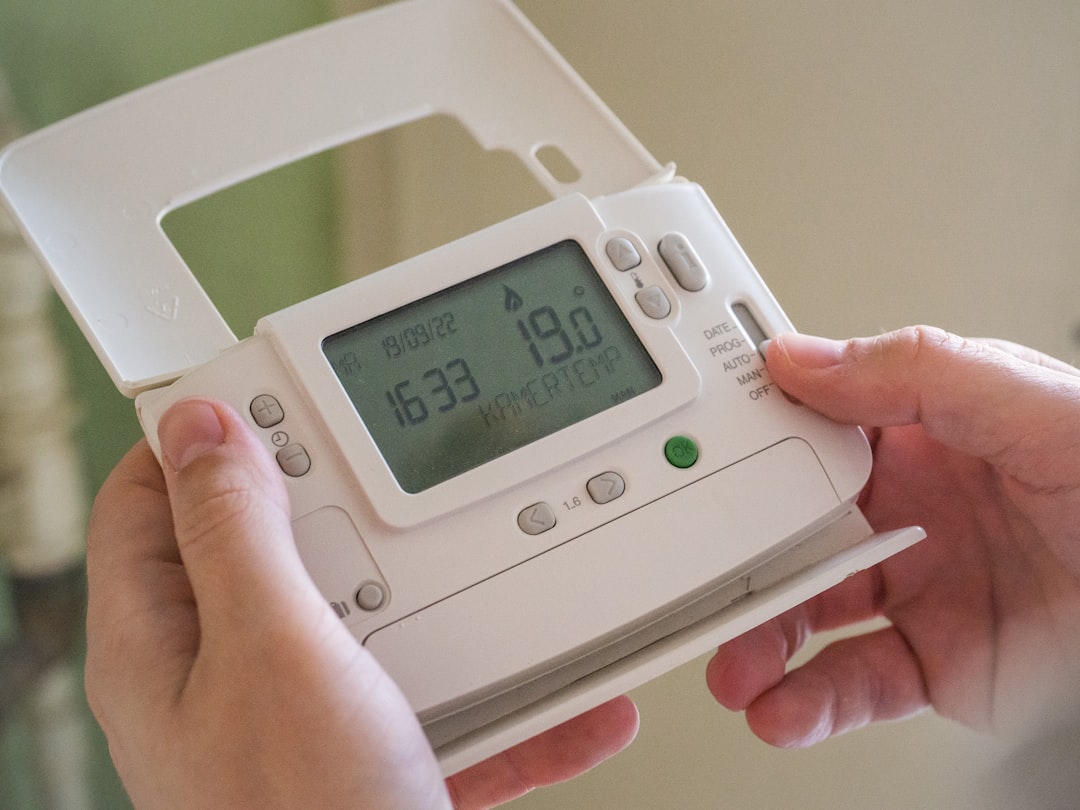
Your heating system is the cornerstone of home comfort during cold seasons. Proper heating maintenance not only ensures reliable warmth but also significantly enhances system longevity and energy efficiency, reducing monthly utility bills. In this definitive guide, we dive deep into essential HVAC tips, seasonal checks, and troubleshooting advice that every homeowner or renter should know to optimize their home heating system’s performance year-round.
Understanding Your Heating System
Types of Heating Systems
Home heating systems typically fall into furnaces, boilers, and heat pumps. Knowing your specific system helps tailor maintenance practices. Furnaces heat air distributed via ducts, while boilers heat water or steam circulated through pipes. Heat pumps transfer heat between your home and outside air or ground, offering energy-efficient options, especially in moderate climates. For a detailed comparison of home heating systems, refer to our guide on how to choose the right heating system.
Key Components to Maintain
Critical components that require regular care include filters, burners, heat exchangers, thermostats, and ventilation ducts. Each part plays a distinct role in system operation and efficiency. Neglecting even one can cause decreased performance or unsafe conditions such as carbon monoxide leaks. For in-depth explanations of these components, see HVAC components explained.
Benefits of Proper Maintenance
Consistent maintenance leads to fewer breakdowns, lower energy bills, and improved indoor air quality. According to industry data, poorly maintained systems can lose up to 30% energy efficiency. Moreover, annual tune-ups extend unit lifespan by 20-30%, saving replacement costs. Homeowners can also maximize eligibility for manufacturer warranties through proper maintenance documented by certified technicians. Learn more about energy efficiency for heating systems.
Scheduled Seasonal Checks: Your First Line of Defense
Pre-Heating Season Inspections
Before the cold sets in, conduct thorough inspections. Check filters, clean ducts, and test thermostats. Visually inspect flue pipes and exhaust lines for blockages or rust. Run the system briefly to listen for unusual noises and ensure ignition. Use our seasonal maintenance checklist as a guide to cover all essentials step-by-step.
Mid-Season Monitoring
Don’t wait until the system fails; mid-season checks help catch issues early. Monitor energy consumption patterns for spikes, which can indicate inefficiencies. Inspect air vents and registers for obstructions. Clean or replace filters monthly during high usage periods. Our article on common HVAC troubleshooting offers signs to watch for during operation.
Post-Season Shut Down
After winter, schedule a professional system tune-up. Clean internal parts like burners and heat exchangers thoroughly. Drain any trapped condensation in boilers or humidifiers. Cover external units to protect from summer dust or debris. This care reduces corrosion and prepares you for the next heating cycle. Learn detailed post-season care procedures in annual HVAC maintenance guide.
Filter Maintenance: The Unsung Hero of Longevity
Choosing the Right Filter
Filters prevent dust and allergens from entering your system and home air but vary widely in quality and lifespan. High-efficiency particulate air (HEPA) or pleated filters offer superior filtration but may require more frequent changes. Refer to our guide on improving indoor air quality with filters to select what suits your system and health needs.
Replacement Frequency
Depending on usage and environment, replace filters every 1-3 months. Homes with pets or high dust levels may need monthly changes. Clogged filters force systems to work harder, increasing wear and energy costs. Use reminders or smart thermostats for filter change alerts, featured in our smart thermostat benefits guide.
Proper Installation Tips
Always insert filters following airflow direction arrows and ensure secure fitting to avoid air bypass. Improper installation compromises filtration and efficiency. For step-by-step filter replacement instructions, see how to change HVAC filters correctly.
Thermostat Care and Optimization
Calibrating Your Thermostat
Incorrect thermostat readings cause unnecessary heating cycles or insufficient warmth. Calibrate annually using a reliable thermometer to ensure accurate ambient temperature readings. Digital models often include options to self-calibrate.
Programming for Efficiency
Use programmable thermostats to reduce heating when rooms are unoccupied or at night. Proper scheduling can cut energy use by up to 10-15% without sacrificing comfort. Explore advanced thermostat settings in thermostat programming tips.
When to Upgrade
Older analog or non-programmable models lack energy savvy features. If your system runs inefficiently despite maintenance, consider upgrading to a smart thermostat for remote control and usage optimization. Our best smart thermostats of 2026 review can help you pick the right one.
Duct and Vent Inspection and Cleaning
Why Duct Maintenance Matters
Dirty or leaky ducts decrease heat delivery efficiency and degrade indoor air quality. Dust buildup can harbor mold or allergens, exacerbating respiratory issues. Proper sealing prevents heat loss, reducing bills and environmental impact.
Signs Your Ducts Need Attention
Uneven heating, visible dust on registers, or increased allergy symptoms signal duct problems. Also listen for whistling or rattling noises which indicate leaks or breaks. For detailed symptoms and remedies, visit our duct cleaning and repair guide.
Professional Duct Services vs. DIY
While simple duct cleaning around registers can be DIY, comprehensive duct sealing and deep cleaning require certified professionals equipped with specialized tools. This guarantees safe and effective results. Locate trustworthy service providers in your area by checking our directory of vetted installers and technicians.
Combating Corrosion and Rust in Heating Systems
Common Causes
Moisture from condensation, leaks, or humid environments leads to rust, weakening metal components and causing system breakdowns. Older boilers and heat exchangers are especially vulnerable.
Preventative Treatments
Applying protective coatings, ensuring proper ventilation, and removing standing water prevent corrosion. Regular system draining and flushing help for boilers. Learn about anti-corrosion treatments specific to your heating system type.
Signs of Rust Damage
Look for discoloration, flaking metal, or strange odors. Rusted parts may cause leaks or noise. Early detection allows for repairs rather than costly replacements. For a comprehensive troubleshooting approach, see HVAC troubleshooting tips.
Lubrication and Moving Parts Service
Why Lubricate?
Moving parts like blower motors, fans, and bearings require lubrication to minimize friction and wear. Neglected lubrication causes noisy operation, overheating, and early failure.
Recommended Lubricants
Use manufacturer-approved lubricants; most systems need lightweight, non-detergent oils. Avoid over-lubricating, which attracts dust and debris.
DIY vs. Professional Lubrication
Simple lubrication like motor oiling can be homeowner tasks if you follow your unit’s manual. Complex parts or sealed motor assemblies require professional service to avoid damage. Guidance on safe lubrication can be found in our HVAC maintenance best practices article.
System Troubleshooting and When to Call a Pro
Quick Troubleshooting Steps
If your heating system fails to start or warms inadequately, check power supply, circuit breakers, thermostat settings, and filter condition. Restarting your system after resetting breakers often fixes temporary errors.
Warning Signs of Major Issues
Persistent noises, strange smells (especially gas or burning), uneven heat, or frequent cycling indicate system faults needing immediate professional attention. Never ignore signs of carbon monoxide leaks — install detectors as a safety measure.
Finding Reliable HVAC Technicians
Choose licensed, insured, and highly rated heating specialists. Our extensive guide on finding vetted installers and service providers helps you evaluate credentials and reviews, ensuring trustworthy support.
Energy Efficiency Enhancements to Complement Maintenance
Insulation and Sealing
Good insulation around ducts, pipes, and home structure reduces heating demand and load on your system. Weather stripping and sealing leaks prevent heat escape. For DIY tips and professional assessment guidance, refer to energy efficiency tips.
Smart Controls and Zoning
Installing programmable or smart thermostats combined with zone control lets you heat rooms only when needed, saving energy and reducing system fatigue. See our overview of smart thermostat programming.
Regular Performance Monitoring
Track energy bills and system output each season to detect early efficiency drops. Some smart systems offer remote monitoring and alerts. Learn more from our top tools to monitor HVAC system health.
Detailed Comparison: Maintenance Tasks Impact on System Life and Cost
| Maintenance Task | Frequency | Estimated Cost | Impact on Longevity | Energy Savings Potential |
|---|---|---|---|---|
| Filter Replacement | 1-3 months | $15-$50/year | Moderate (reduces strain) | Up to 10% |
| Professional Tune-Up | Annually | $100-$200 | High (prevents major failures) | 10-15% |
| Duct Cleaning & Sealing | Every 3-5 years | $300-$500 | High (improves air flow) | 5-15% |
| Thermostat Calibration/Upgrade | Annually/One-time | $0-$250 | Moderate | 10-15% |
| Lubrication of Moving Parts | Annually | $20-$50 DIY or included in service | Moderate | Minimal direct impact |
Pro Tip: Consistent small maintenance investments compound to extend system life by up to 5 years and save hundreds annually in energy costs.
Frequently Asked Questions
How often should I schedule professional heating maintenance?
Experts recommend yearly tune-ups before the heating season begins to catch and fix issues early, optimize fuel efficiency, and ensure safe operation.
Can I perform heating system maintenance myself?
Routine tasks like filter replacement and thermostat adjustments are homeowner-friendly. However, inspections involving electrical components, burners, or gas connections should be left to certified HVAC technicians.
Does regular maintenance really extend the lifespan of my heating system?
Yes. Data shows properly maintained systems can last 15-30% longer—translating into thousands saved on premature replacements and emergency repairs.
What are common signs of heating system trouble?
Uneven heating, strange noises, increased energy bills, frequent cycling, and unusual odors are red flags warranting prompt inspection.
How can I find qualified heating maintenance professionals near me?
Use vetted local directories such as our installers and service providers listing which includes licensing, reviews, and customer ratings to ensure reliability and transparency.
Conclusion
Maximizing your heating system’s longevity and efficiency requires consistent, informed maintenance that touches all critical components—from filters and thermostats to ducts and mechanical parts. Proactive seasonal checks combined with timely professional servicing not only fend off costly breakdowns but also promote a safer and more energy-efficient home environment. As your trusted guide for home heating care, we encourage taking the small but impactful steps outlined here to enjoy warm, worry-free winters for years to come.
Related Reading
- Best Smart Thermostats of 2026 - Learn about top smart thermostat options for enhanced heating control and savings.
- How to Choose a Heating System - Guide to selecting the right heater for your home’s size and climate.
- Find Vetted Installers and Service Providers - Trusted resources for locating licensed HVAC professionals.
- Energy Efficiency Tips for Home Heating - Practical strategies to lower bills and carbon footprint.
- Common HVAC Troubleshooting - How to identify and address frequent heating system issues.