Maintaining a warm and comfortable home during cold months relies heavily on the consistent performance of your heating system. However, heating issues can disrupt comfort, inflate energy bills, and induce costly emergency repairs. This comprehensive guide dives deeply into diagnosing and fixing typical problems with home heating systems, empowering homeowners to save both time and money. Whether you have a furnace, boiler, or heat pump, understanding how to troubleshoot common issues will extend your system's lifespan and reduce unexpected breakdowns.
For detailed advice on selecting the right system for your home, explore our extensive furnace buying guide or heat pump selection tips. Meanwhile, this guide will focus on practical HVAC troubleshooting techniques and actionable home repairs every homeowner should know.
1. Understanding Your Heating System's Components
Types of Heating Systems
Heating systems typically include furnaces, boilers, and heat pumps. Furnaces heat air and distribute it via ducts, boilers heat water for radiators or baseboards, and heat pumps transfer heat from outside air or ground sources even in cold weather. Identifying your system type is the first step to effective troubleshooting. If uncertain, our article on which heating system fits your home provides clarity on system types and applications.
Key Components and Their Roles
Each heating system has components such as thermostats, burners, heat exchangers, circulating pumps, and control boards. Knowing these parts' roles can guide diagnostics. For example, a malfunctioning thermostat may prevent your system from turning on, while a cracked heat exchanger could cause carbon monoxide leaks—a serious safety hazard.
How Heating Systems Work Together
Your heating system integrates controls, energy sources, and distribution methods to maintain target temperatures. Understanding the flow—from fuel combustion or electric heat generation to air or water distribution—helps pinpoint where problems arise. For a refresher on system efficiencies and setup, consider our piece on energy efficiency tips.
2. Diagnosing No Heat or Insufficient Heat
Check the Thermostat Settings and Batteries
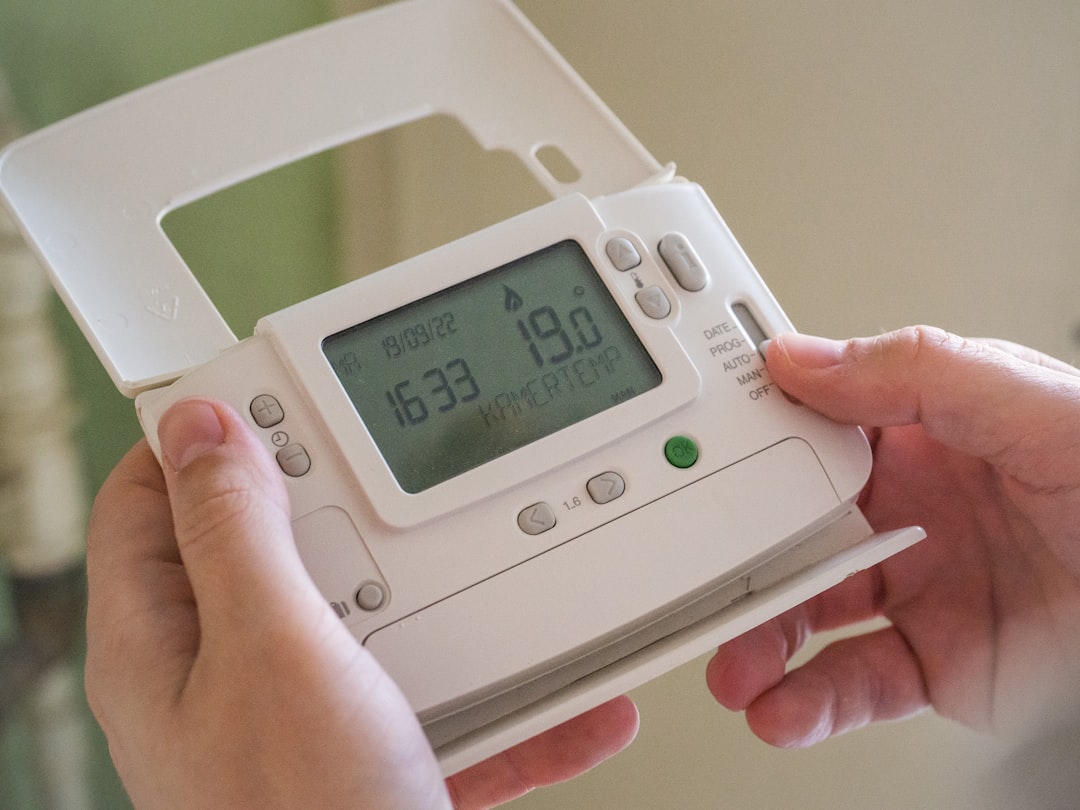
When your heating system fails to provide heat, start with the thermostat. Ensure it is set to 'heat' mode and the temperature is above the current room temperature. Replace batteries regularly to avoid malfunctions. For insights on maintaining smart controls, see smart thermostat integration.
Inspect the Air Filter and Airflow
A clogged air filter restricts airflow, causing inadequate heating and strain on your HVAC unit that could shorten lifespan. Replace or clean filters every 1-3 months during heavy use. More details on filter maintenance can be found in our furnace maintenance checklist.
Examine the Pilot Light or Ignition System
Older furnaces use a pilot light that must be lit for heating to start. If it’s out, follow manufacturer instructions to relight it safely or call a professional. Newer models use electronic ignition, which can fail due to faulty sensors or wiring. Our guide on common furnace repairs explores how to handle ignition problems.
3. Resolving Frequent Cycling or Short Cycling
What Is Short Cycling?
Short cycling refers to the heater turning on and off frequently. This behavior wastes energy, increases wear and tear, and reduces comfort. Causes include oversized systems, thermostat issues, or airflow blockages.
Check for Oversized Units or Improper Installation
Improperly sized heaters cycle too quickly. Consult our installation best practices for ensuring systems are matched correctly to home size and insulation levels.
Inspect Thermostat Location and Sensors
A thermostat placed near heat sources or direct sunlight can misread temperatures, prompting unnecessary cycling. Relocate or shield the thermostat. See our thermostat troubleshooting guide for detailed diagnostics.
4. Addressing Uneven Heating or Cold Spots
Inspect Ductwork and Vents
Leaks, blockages, or improperly sized ducts often cause uneven heating. Inspect accessible ductwork for damage or disconnected joints. Clean vents and ensure they’re not blocked by furniture or curtains. Our article on insulation & ductwork tips covers this in detail.
Bleed Radiators and Check Water Circulation
For boilers, trapped air can cause cold spots in radiators. Bleeding the radiators releases air to restore warmth. Also, verify the circulation pump is functioning. More troubleshooting techniques are available in our boiler maintenance and repair guide.
Assess Insulation and Home Air Leakage
Cold spots may result from poor insulation or drafts. Improve your home's energy envelope with advice from our cost-saving insulation strategies.
5. Handling Strange Noises from the Heating System
Identify the Type of Noise
Different sounds indicate various problems: banging can signify delayed ignition, squealing points to belt issues, and rattling could mean loose components. Sound identification aids precise troubleshooting. Our detailed heating system noise troubleshooting article offers sound examples and diagnosis tips.
Regularly Lubricate Moving Parts
Motors and fans require lubrication to operate quietly. Lack of lubrication causes squealing and stress. See maintenance tips in the routine heating maintenance tips.
Secure Loose Panels and Components
Loose screws or panels cause rattling. Tighten all accessible parts with the system off. Guidelines for safe repairs are in our furnace care guide.
6. Combating High Energy Bills Related to Heating
Regularly Service and Maintain Your Heating System
Dirty components reduce efficiency. Schedule professional service yearly. DIY cleaning and checks can also help. Learn more from our energy-efficient heating maintenance overview.
Seal Air Leaks and Improve Insulation
Reducing heat loss via windows, doors, and walls directly cuts energy costs. Our energy efficiency home upgrades article explains practical measures.
Optimize Thermostat Programming and Settings
Smart thermostats programmed to lower temps when away save money. For integration tips, see smart thermostat control guides.
7. How to Safely Reset Your Heating System
When and Why to Reset
Sometimes heating systems lock out due to safety errors or malfunctions. A system reset can clear error codes and restart operations. Only reset after checking for obvious issues.
Safe Reset Procedure
Turn off power to your HVAC unit, wait a few minutes, and restore power. Consult your system’s manual for specific reset instructions. Our system reset and troubleshooting guide offers comprehensive steps.
If Reset Fails, Call a Professional
Repeated lockouts may indicate serious problems warranting expert service. Refer to our directory of local HVAC contractors.
8. Troubleshooting Common Error Codes and Indicator Lights
Reading Your System’s Diagnostic Codes
Modern heating systems display error codes via LED lights or digital screens. These codes pinpoint specific faults, from sensor errors to ignition failure. Use your manual or manufacturer website for code definitions.
Responding Appropriately to Codes
Some codes allow for homeowner fixes, such as changing filters or resetting breakers. Others require professional intervention. For guidance, review our error code management guide.
Logging Codes for Service Technicians
Recording error codes before calling a technician helps accelerate diagnosis and repairs. Maintain a logbook of issues and services as recommended in maintenance record keeping.
9. Essential Tools and Safety Tips for DIY Repairs
Recommended Tools for Home HVAC Troubleshooting
Basic tools include screwdrivers, multimeters, thermometers, and replacement filters. Advanced repairs may require specialized equipment. For a full list, see our tools for HVAC maintenance.
Safety Precautions Before Starting Repairs
Always turn off power before working on your heating system, and wear protective gear. Avoid gas and carbon monoxide risks by following safety protocols explained in heating safety guidelines.
When to Call a Licensed Technician
If your repair involves gas lines, wiring, or complex components, enlist professional help. Find trusted technicians using our vetted heating service providers directory.
10. Comparison of Common Heating System Issues and Solutions
| Issue | Likely Cause | DIY Fix | Professional Repair Needed? | Reference Guide |
|---|---|---|---|---|
| No Heat | Thermostat settings, pilot light, clogged filter | Check thermostat, relight pilot, replace filter | Sometimes (ignition system) | Common furnace repairs |
| Short Cycling | Oversized unit, thermostat errors | Adjust thermostat placement, consult sizing guide | Yes (resizing) | Installation best practices |
| Uneven Heat | Duct leaks, poor insulation, trapped air in radiators | Seal ducts, bleed radiators, add insulation | Sometimes | Insulation & ductwork tips |
| Strange Noises | Loose parts, motor issues, ignition delays | Tighten parts, lubricate motors | Yes (motor replacement) | Heating system noise troubleshooting |
| High Energy Bills | Dirty filters, leaks, inefficient settings | Replace filters, seal air leaks, optimize thermostat | Sometimes | Energy-efficient heating maintenance |
FAQs on Heating System Troubleshooting
Why is my heating system blowing cold air?
This often indicates thermostat misconfiguration, a faulty ignition system, or clogged filters restricting airflow. Start by checking thermostat settings and replacing filters.
How often should I change my furnace filter?
Filters should typically be changed every 1 to 3 months during heavy use to maintain airflow and efficiency. Check monthly and replace if dirty.
Can I troubleshoot electrical issues in my heating system safely?
Basic tests like checking circuit breakers or resetting the system can be done safely. However, electrical repairs beyond these should be handled by licensed professionals to avoid hazards.
What causes uneven heating in multi-story homes?
Common causes include improper duct sizing, blocked vents, and insufficient insulation. Zoning systems or booster fans may help balance heat distribution.
When should I schedule professional heating system maintenance?
Annual maintenance before the heating season is recommended to prevent breakdowns, improve efficiency, and maintain safety.
Related Reading
- Save Energy, Stay Cozy: Winter Warmth Routines That Reduce Your Heating Bill - Practical tips to keep warm while lowering your heating expenses.
- Find Local HVAC Contractors - Your go-to directory for trusted heating professionals near you.
- Smart Thermostat Integration - How to optimize your heating control with smart devices.
- Boiler Maintenance and Repair - Deep dive into keeping your boiler running reliably.
- Energy Efficiency Home Upgrades - Improve your home's insulation and reduce heat loss for savings.