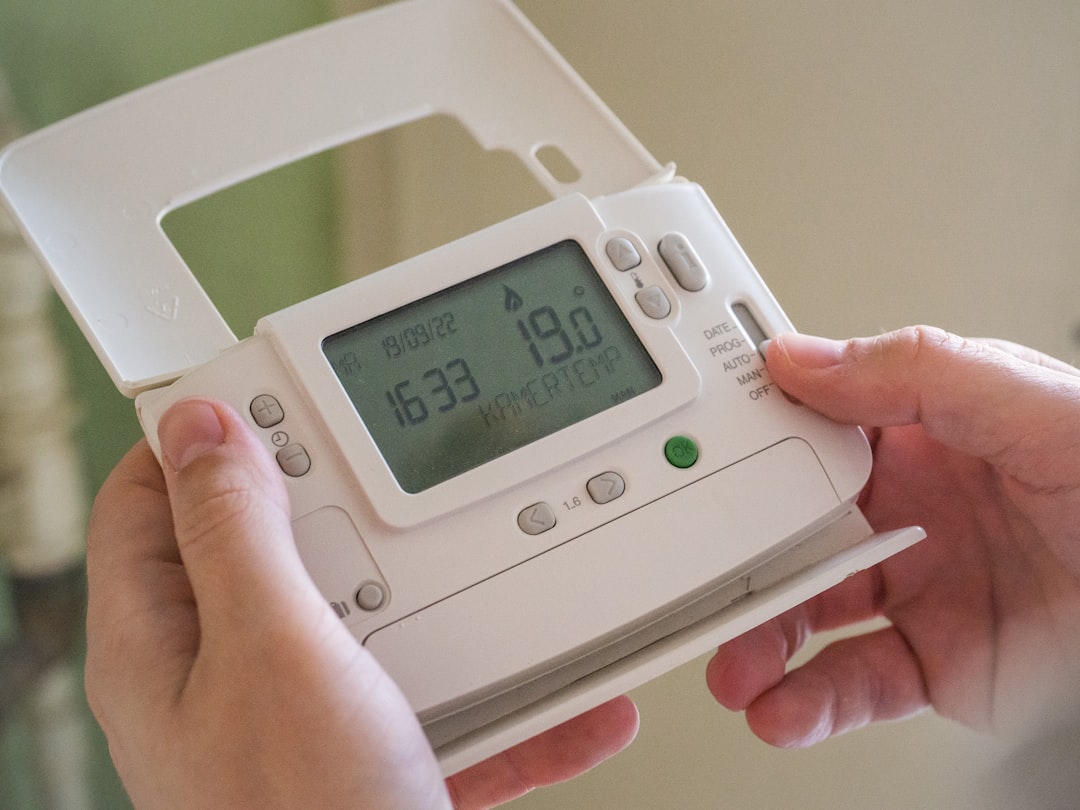
When it comes to keeping your home warm during the cold months, understanding the costs associated with heating system installation is crucial. This guide breaks down the typical expenses involved in installing various heating systems, sheds light on hidden costs, and explores financing options that can make the process more manageable for homeowners.
1. Overview of Heating System Types
Before diving into the costs, it's important to understand the different types of heating systems available:
1.1 Furnaces
Furnaces are the most common heating systems in homes. They can be powered by gas, oil, or electricity. Gas furnaces are typically the most cost-effective to operate, while electric furnaces can have lower installation costs.
1.2 Boilers
Boilers heat water and provide steam for heating. They are usually more expensive to install than furnaces, but they can be more energy-efficient, depending on the model. For further details on their energy efficiency, check out our guide on boiler efficiency calculations.
1.3 Heat Pumps
Heat pumps transfer heat rather than generate it. They are particularly effective in moderate climates and can offer significant savings on heating bills. To understand their installation specifics, refer to our article on heat pump installation.
2. Installing a Heating System: Breakdown of Costs
The installation costs for heating systems can vary widely. Factors influencing these costs include system type, home size, and existing infrastructure.
2.1 Average Cost Estimates
Pro Tip: Get quotes from multiple contractors to compare installation prices and services.
On average, the costs for different heating systems are as follows:
| Heating System Type | Average Installation Cost | Operational Costs Per Year |
|---|---|---|
| Gas Furnace | $3,000 - $5,500 | $800 - $1,200 |
| Electric Furnace | $2,000 - $4,000 | $1,200 - $1,800 |
| Oil Boiler | $4,500 - $7,000 | $1,500 - $2,000 |
| Gas Boiler | $3,200 - $5,500 | $900 - $1,200 |
| Heat Pump | $4,000 - $8,000 | $600 - $900 |
2.2 Labor Costs
Labor costs can account for a significant portion of installation expenses, ranging from $50 to $150 per hour, depending on your location and the complexity of the installation. For a detailed look at hiring local contractors, see our guide on finding reliable HVAC contractors.
3. Hidden Costs of Heating System Installation
The initial quote for your heating system installation may not reflect the total cost. Be aware of potential hidden charges that might arise during installation:
3.1 Permitting Fees
Depending on your local codes, you may need to pay for permits to install certain heating systems. These fees can range from $50 to $500 depending on your municipality.
3.2 Upgrades to Ductwork
If your home’s existing ductwork is outdated or incompatible, you may incur additional costs to upgrade or replace it. This can significantly affect your overall budget, potentially adding $1,000 or more.
3.3 Disposal Fees
If you're replacing an old heating system, you may be charged for the removal and disposal of your existing unit, which can cost anywhere from $100 to $300.
4. Financing Options for Homeowners
Financing your heating system installation can ease the financial burden. Here are common options:
4.1 Personal Loans
Many homeowners opt for personal loans for large expenses. Comparing rates from different lenders can help you secure the best terms.
4.2 Home Equity Loans
If you have sufficient equity in your home, a home equity loan can be a low-interest option for financing your heating system installation. For more information about leveraging home equity, visit our home equity options guide.
4.3 Energy Efficiency Financing Programs
Look into local or state programs aimed at improving energy efficiency. These often offer low-interest or even no-interest financing for eligible systems.
5. Budgeting for Your Heating System Installation
Creating a precise budget for your heating system installation compromises understanding not just the costs but also the financing options available. Here’s how to budget effectively:
5.1 Assess Your Needs
Evaluate the size of your home and your specific heating requirements. This will guide you toward the right system for your needs and budget.
5.2 Get Multiple Quotes
Obtain estimates from at least three contractors to gain a clearer picture of costs. Ask each contractor for a detailed breakdown of their quotes.
5.3 Factor in Future Savings
Consider how energy-efficient your heating system is. Investing in a more expensive system now may result in significant savings on your monthly bills in the long run. For a deeper look at energy-efficient options, check our resource on energy-efficient heating systems.
6. Conclusion: Making an Informed Decision
Understanding the various costs associated with heating system installations—both upfront and ongoing—can empower you as a homeowner to make informed decisions. By being aware of hidden costs and exploring financing options, you can choose a solution that fits both your needs and your budget.
Frequently Asked Questions
1. What are the typical installation costs for a heating system?
The installation costs can range from as low as $2,000 for electric furnaces to upwards of $8,000 for high-efficiency heat pumps.
2. Are there financing options available for heating systems?
Yes, homeowners can explore personal loans, home equity loans, and energy efficiency financing programs.
3. What hidden costs should I be aware of?
Common hidden costs include permitting fees, ductwork upgrades, and disposal fees for old units.
4. How can I lower my installation costs?
Consider obtaining multiple quotes from contractors and look into energy-efficient systems that may save you money in the long run.
5. What is the most energy-efficient heating option?
Generally, heat pumps are among the most energy-efficient heating options, especially in moderate climates.
Related Reading
- Homeowners Guide to Heating Systems - An overview of heating systems for new homeowners.
- Installation Mistakes to Avoid - Common pitfalls during heating system installation.
- Energy Efficient Heating Systems - Comparison of energy-efficient heating systems.
- Maintenance Tips for Heating Systems - Ensuring your heating system runs smoothly.
- What to Expect from Your HVAC Contractor - Understanding the contractor's role in installation.