Just like Apple’s precisely timed release cycles that keep tech users eager for cutting-edge efficiency and sleek design, homeowners can adopt a strategic, well-timed plan to upgrade their home heating system in six weeks to assure cozy comfort well before winter’s chill settles in. This guide lays out an actionable, step-by-step blueprint empowering homeowners to confidently tackle a home heating upgrade in a timeline that mirrors the anticipation and organization behind major tech upgrades.
Whether you live in an aging home struggling with high heating bills or a newly purchased property needing system modernization, this 6-week home heating upgrade plan will walk you through selecting the right technology, budgeting, finding vetted professionals, and installing your HVAC system in time for the cold season.
Why Upgrade Your Home Heating System Now?
Avoid Winter Emergencies
Delaying an upgrade or replacement can trap you in emergency repairs midwinter, costing more, causing discomfort, and often requiring last-minute decisions under pressure. Preparing ahead with a scheduled upgrade lets you avoid common pitfalls experienced by homeowners scrambling to fix or replace failing units in freezing weather.
Energy Savings and Lower Bills
Modern HVAC systems, including high-efficiency furnaces, boilers, and heat pumps, can reduce energy consumption significantly. Upgrading now ensures you start saving money sooner, especially during the peak heating months. Learn why investing early pays off through decreased utility bills in our detailed guide on HVAC efficiency improvements.
Improved Indoor Air Quality and Comfort
New heating technologies often come with better filtration systems and zoned heating options to improve air quality and allow customizable comfort throughout your home. This is critical for families concerned about allergens or maintaining consistent temperatures.
Week 1: Assess Your Current System and Needs
System Inspection and Energy Audit
The first step is to evaluate your current heating system’s performance with a professional HVAC inspection paired with a home energy audit. This evaluation identifies inefficiencies, potential hazards, and determines the right upgrade scope. For expert advice on assessing your home’s heating needs, see top accessories recommended for HVAC technicians which highlight efficient tools used in inspections.
Understand Your Home’s Heating Load
Calculating your home’s heating load involves measuring how much heat your house loses during cold months, influenced by insulation, window quality, and layout. This technical but necessary step ensures whatever system you choose matches your home’s demand efficiently. Explore our in-depth resource on material choices and their insulation impact to understand thermal efficiencies better.
Set Your Upgrade Goals and Budget
Outline what you want from the upgrade: lower bills, quieter operation, better air quality, or smart-home integration. Then, set a realistic budget factoring in equipment, installation, potential ductwork upgrade, and long-term savings. For budgeting strategies and financing options, the job opportunity case studies in unique homes section can inspire resource allocation approaches.
Week 2: Research Heating System Options
Understand Different HVAC Systems
From furnaces and boilers to electric or dual-fuel heat pumps, each system type offers distinct benefits depending on climate, home size, and fuel availability. Our guide on top accessories for HVAC technicians can help you get an expert lens on system components and efficiencies.
Energy Efficiency Ratings and Incentives
Look for systems with high AFUE (Annual Fuel Utilization Efficiency) or HSPF (Heating Seasonal Performance Factor) ratings. Participating in incentive programs for energy-efficient installations can offset upgrade costs. Consult our article discussing balancing visitor demand and local life in sustainability to grasp wider eco-friendly benefits.
Smart HVAC Technologies
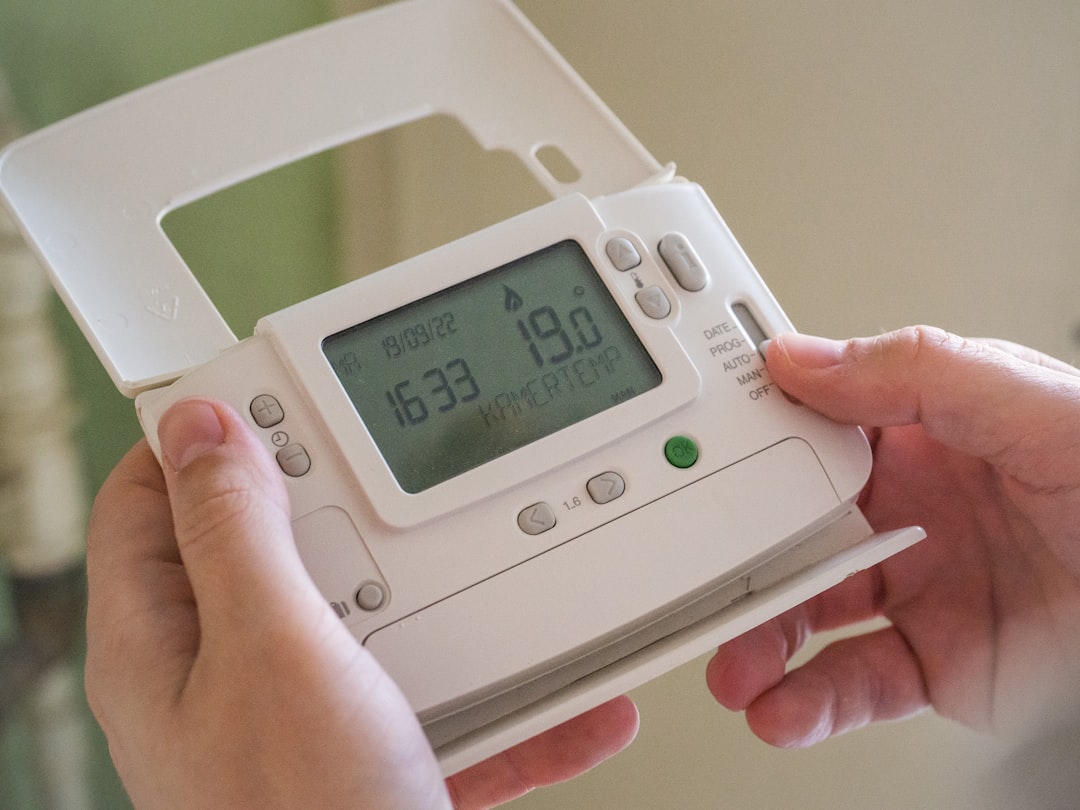
Modern units often include smart thermostats and zoning controls that sync with mobile devices, adjusting your home comfort proactively and reducing waste. Learn how technology integration can optimize performance with insights from wearable tech in personal health awareness, paralleling smart home heating control adoption.
Week 3: Find and Vet Local HVAC Professionals
How to Identify Trusted Installers
Seek installers with certifications such as NATE (North American Technician Excellence) and verified customer reviews. A good installer not only fits but helps advise on proper system sizing and maintenance. Our resource on important HVAC technician accessories reveals qualities to look for in professionals.
Get Multiple Quotes and Compare Services
Obtaining at least three detailed quotes can save you money and uncover varying installation packages. Comparing warranties, service agreements, and projected timelines is vital. Our budgeting guidance draws parallels from unique home market job opportunities emphasizing cost-benefit considerations.
Check for Local Licensing and Insurance
Always verify contractors’ licenses and insurance coverage to protect yourself against installation mishaps and liabilities. Our community safety insights from climbers' tragedy lessons reinforce the importance of professional standards.
Week 4: Finalize Your Choice and Order Equipment
Make Your Decision Based on Data and Advice
Use your research, contractor recommendations, and budget to select the ideal heating system. Confirm final specs, installation timeline, and warranty terms. Our article on choosing travel gear metaphorically guides methodical decision-making processes.
Ordering Lead Times and Availability
Be aware of potential lead times for equipment procurement, which can vary depending on brand and region. Early ordering prevents installation delays that jeopardize your winter readiness. Trending supply chain insights can be gleaned from freight transformation through AI and IoT.
Prepare Your Home for Installation
Clear access to heating areas, prepare utilities, and notify family members about installation dates. Proper preparation ensures smooth work by installers and avoids extra charges.
Week 5: Installation Week
What to Expect During Installation
Installation duration varies but typically lasts 1-3 days. Expect some noise and dust; plan accordingly. Understanding phases of installation helps reduce homeowner stress—details from HVAC technician essentials describe workflow.
Communicate with Your Installer
Stay in touch to address questions or site concerns promptly. Clear communication can accelerate resolution of unforeseen challenges.
Post-Installation Inspection and Instruction
Ensure installers test the system thoroughly. Request a walkthrough on operating the new system and learn maintenance tips. Our resource on DIY project material choices illustrates the value of understanding your system’s components.
Week 6: System Optimization and Monitoring
Setup Your Smart Controls
Program your smart thermostat and zone controls to align with your daily routines, optimizing comfort while minimizing waste.
Schedule Routine Maintenance
Book your first annual tune-up with the installer to ensure long-term system efficiency and reliability. Maintenance extends service life and prevents costly breakdowns.
Monitor Energy Usage
Track your heating consumption to evaluate savings and detect anomalies early. Useful tips can be found in our article about wearable tech and personal health tracking, analogous to energy monitoring.
Comparison Table: Common Home Heating Systems
| Heating Type | Fuel Source | Efficiency Rating | Average Installation Cost | Ideal Climate |
|---|---|---|---|---|
| Gas Furnace | Natural Gas | 80-98% AFUE | $3,000–$7,000 | Cold and Dry |
| Electric Heat Pump | Electricity | Up to 300% HSPF | $4,000–$8,000 | Mild to Moderate Cold |
| Boiler (Hydronic) | Gas/Electric/Oil | 80-95% AFUE | $4,000–$9,000 | Cold and Humid |
| Pellet Stove | Pellets (wood-based) | 75-85% Efficiency | $2,000–$5,000 | Cold, Supplementary Heating |
| Radiant Floor Heating | Electric/Gas-Hot Water | Varies | $6,000–$15,000 | Cold Anywhere |
Pro Tip: Start your heating system upgrade process like you would an Apple device refresh—plan early, research thoroughly, and upgrade ahead of ‘launch day’ (winter) to ensure smooth operation and maximize benefits.
Frequently Asked Questions (FAQ)
How do I know if my heating system needs upgrading?
Signs include rising energy bills, uneven heating, frequent repairs, and your system being over 15 years old. An energy audit and professional inspection provide the best assessment.
Can I upgrade my heating system in the middle of winter?
It’s possible but not recommended due to weather challenges and limited scheduling options. Planning ahead to complete upgrades pre-winter is safer and often cheaper.
How long does installation usually take?
Most installations take 1-3 days, depending on system complexity and whether ductwork or electrical upgrades are needed.
What are the benefits of a smart thermostat?
Smart thermostats enable remote control, adaptive learning to your schedule, energy use reports, and integration with other smart home devices, improving comfort and efficiency.
Are there government incentives for upgrading my heating system?
Yes, many regions offer rebates or tax credits for installing energy-efficient heating systems. Check local utility websites and federal programs for current incentives.
Related Reading
- Cotton Prices and Your Next DIY Project: Understanding Material Choices - Explore material impacts on home insulation and energy efficiency.
- How Wearable Tech Like Oura Ring Is Changing Personal Health Awareness - Learn how smart monitoring parallels HVAC system optimization.
- Top Accessories for HVAC Technicians: Portable Chargers, Speakers, and Vacuums - Discover the tools that ensure quality HVAC service.
- Exploring Job Opportunities in Unique $1 Million Homes Across the U.S. - Gain insights into luxury home upgrades and heating considerations.
- Community Safety: Lessons from Climbers' Tragedies - Understand the importance of professional standards in home service.