Just like elite athletes prepare meticulously to perform under high pressure, homeowners must equip their HVAC systems to withstand extreme weather conditions efficiently and reliably. Whether you're facing blistering heatwaves or bone-chilling cold snaps, understanding how to prepare, maintain, and troubleshoot your home heating and cooling systems is crucial for comfort, energy savings, and safety.
Understanding the Challenges of HVAC in Extreme Weather
Extreme weather puts extraordinary demands on heating and cooling systems. During severe heatwaves, air conditioners must operate for extended periods at maximum load, while plunging temperatures in winter force heating systems to work overtime. These conditions can lead to increased wear and tear, unexpected breakdowns, and elevated energy bills.
According to industry reports, HVAC energy consumption can increase up to 50% during extreme temperatures if systems are not optimized, making managing energy costs a critical concern. Additionally, extreme climates often entail rapid weather shifts requiring flexible and resilient HVAC setups.
Impacts of Extreme Heat on HVAC Systems
Air conditioners may face overheating compressors, refrigerant imbalances, and clogged filters under sustained high temperatures. This stresses components and increases failure risk, especially in units without proper maintenance.
Impacts of Extreme Cold on Home Heating
Cold snaps can cause furnaces or heat pumps to struggle with heating loads. Frozen pipes, blocked vents, and reduced efficiency further complicate matters, pushing systems beyond normal operation thresholds.
The Role of Severe Weather Events
Storms, heavy snowfall, or prolonged humidity can damage external HVAC units, impair sensors, or compromise indoor air quality, necessitating comprehensive preparation strategies.
Preparing Your HVAC System Like a Pro Athlete Prepares for Game Day
Preparation is key to enduring extreme weather stresses. Like athletes who condition their bodies and equipment, homeowners can take actionable steps to safeguard their HVAC systems.
Routine Maintenance: The Foundation
Regularly inspecting and servicing HVAC systems ensures optimal performance. Replace or clean air filters every 1-3 months depending on use and environment to prevent airflow restrictions. For deeper maintenance, consult guides on maintenance hacks tailored for home equipment longevity.
Pre-Season HVAC Tune-Ups
Schedule professional HVAC tune-ups before winter or summer to assess refrigerant levels, check electrical components, and clean coils. This pre-emptive care reduces emergency breakdown risk when you need heating or cooling most.
System Upgrades and Inspections
Assess if your current HVAC system suits your climate. Modern energy-efficient heat pumps or dual-fuel systems may offer superior performance under fluctuating conditions. Learn how to choose the right system in our detailed buyer's guide.
Optimizing Home Heating for Severe Cold
Heating efficiently during extreme cold is vital to preserve indoor comfort and prevent costly system failure.
Understanding Heating System Options
Furnaces, boilers, and heat pumps each have strengths in different cold-climate scenarios. Heat pumps with cold climate technology offer energy savings, while furnaces deliver rapid heat during fluctuating weather.
Maximizing System Efficiency
Seal leaks, insulate ducts, and properly size your system for your home. An oversized furnace cycles frequently and wastes energy, while an undersized one struggles to maintain warmth.
Smart Thermostats and Controls
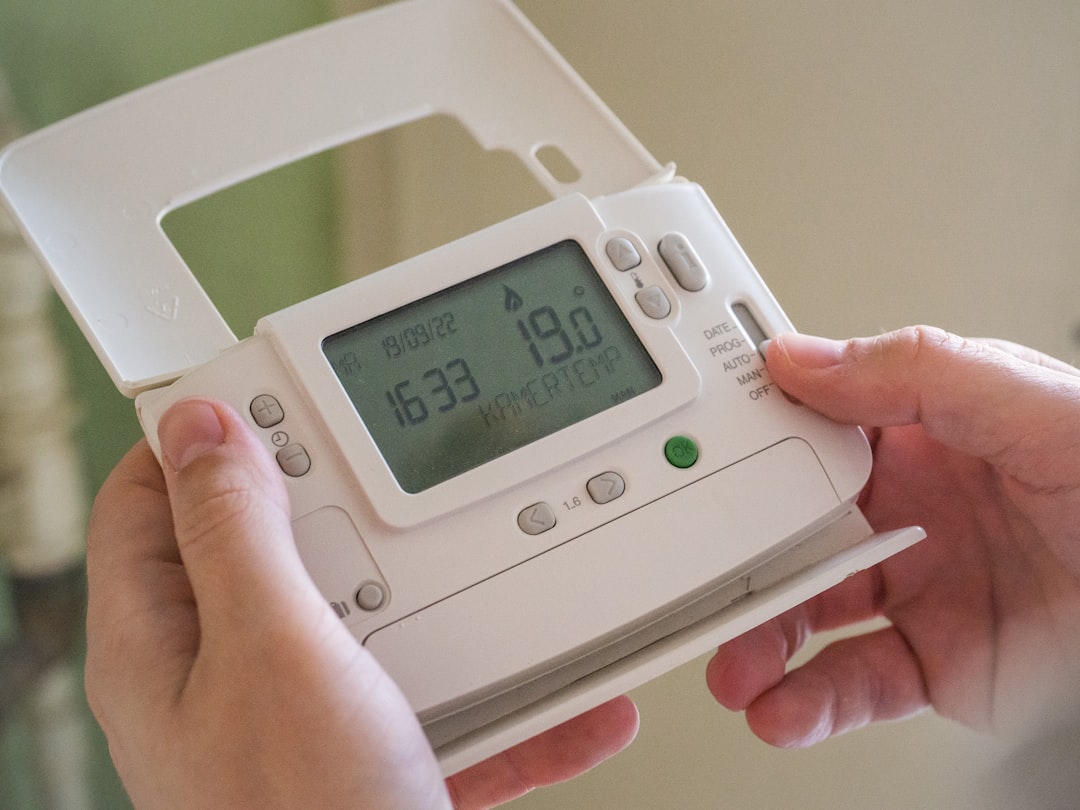
Programmable thermostats maintain comfort while reducing heating during unoccupied periods. Integrating smart controls allows remote management and predictive energy optimization — a strategy praised in smart home guides.
Effective Cooling Strategies for Heatwaves
Managing indoor temperatures during extreme heat demands both efficient cooling systems and behavioral adjustments.
Proper Air Conditioner Sizing and Maintenance
Ensure your AC is appropriately sized; undersized units run constantly without cooling effectively, while oversized units cause humidity issues. Clean condenser coils regularly to maintain airflow.
Enhancing Airflow and Ventilation
Use ceiling fans to circulate cooled air and keep blinds closed during peak sun hours. Ventilate your home during cooler parts of the day to reduce internal heat build-up.
Alternative Cooling Methods
Supplement cooling with evaporative coolers in dry climates or deploy shaded landscaping and reflective roof coatings to reduce heat absorption, echoing strategies in solar integration insights.
Troubleshooting Common HVAC Issues During Extreme Conditions
Even well-maintained systems can falter under weather extremes. Recognizing and acting on warning signs early helps avoid costly repairs.
Identifying Symptoms of System Stress
Loud noises, uneven cooling or heating, frequent cycling, or unusual odors often precede breakdowns. Monitoring these signs enables prompt troubleshooting.
DIY Fixes Versus Professional Repairs
Simple checks like thermostat settings, circuit breaker resets, or changing filters can solve minor issues. For complex problems like refrigerant leaks or electrical faults, call certified technicians.
Emergency Preparedness
Have backup heating sources, power supplies, and a trusted HVAC professional on call during severe weather events. Learn tips on managing breakdowns in our winter survival guide.
Maintenance Best Practices Tailored to Local Climates
Different climates require customized maintenance to preserve HVAC efficiency and lifespan.
Maintaining Systems in Humid vs. Dry Environments
In humid areas, moisture control and mold inspection are priorities, while dry climates emphasize dust management and refrigerant balance.
Seasonal Filter and Coil Care
Adjust filter change frequency depending on local air quality and pollen levels. Coil cleaning prevents dust build-up that reduces heat exchange.
Regular Ductwork Inspection
Leaky or blocked ducts compromise system performance. Professional duct sealing improves airflow and reduces energy waste, a technique recommended in resourceful management strategies.
Choosing Resilient HVAC Technologies for Extreme Weather
Invest in systems designed for robustness and energy efficiency under climate stress.
Cold Climate Heat Pumps (CCHPs)
CCHPs retain heating efficiency at lower temperatures, outperforming traditional heat pumps during cold snaps, as emphasized in recent HVAC technology reports.
Variable Speed Systems
Systems with variable speed compressors modulate output to meet demand, reducing wear and lowering utility costs.
Integration with Renewable Energy
Pairing HVAC systems with solar power or smart home energy management can mitigate high energy costs during severe weather, a strategy outlined in extreme weather preparedness.
Improving Indoor Air Quality (IAQ) Amid Extreme Conditions
Maintaining IAQ is critical when homes are sealed tight against outdoor extremes.
Ventilation Solutions
Install energy recovery ventilators (ERVs) or heat recovery ventilators (HRVs) to circulate fresh air while conserving energy.
Filtering and Purification
Use high-efficiency particulate air (HEPA) filters and UV germicidal lights to reduce allergens, dust, and pathogens during periods of closed windows.
Humidity Control
Maintain balanced humidity levels to discourage mold during humid heat or static dryness in cold climates, using dehumidifiers or humidifiers accordingly.
Comparison Table: HVAC System Types for Extreme Climates
| System Type | Best Climate | Energy Efficiency | Maintenance Needs | Reliability Under Extreme Temps |
|---|---|---|---|---|
| Gas Furnace | Cold Winters | High (with modern models) | Moderate (annual tune-up) | Very Reliable (does not rely on ambient temp) |
| Heat Pump (Standard) | Mild to Moderate Climates | Very High | Moderate (filter and refrigerant check) | Moderate (efficiency drops below 20°F) |
| Cold Climate Heat Pump | Colder Climates | Very High (with cold tech) | Moderate | High (extended heating range) |
| Electric Baseboard Heaters | Cold Climates | Low | Low (periodic inspection) | High (simple technology) |
| Boiler (Hot Water) | Cold Climates | Moderate to High | Higher (annual inspection & cleaning) | Very Reliable |
Pro Tip: For homes in regions with temperature swings, dual-fuel HVAC systems combine heat pumps and furnaces for efficient heating and resilience. See our detailed guide on switching systems wisely.
Finding Reliable Local HVAC Installers and Service Providers
Engaging certified and experienced local professionals ensures quality installation and timely repairs when extreme weather strikes. Check reviews, verify licenses, and ask about emergency service availability.
Utilize resources such as brand management and reputation guides to vet providers confidently. Networking in community forums can also yield trusted recommendations.
Conclusion: Stay Ahead and Weather the Storm
Approaching your home's HVAC system with the preparation mindset of a professional athlete enables you to adapt confidently to extreme climates. Through regular maintenance, smart system choices, and strategic operation, you can ensure reliable comfort and efficiency, no matter what the forecast brings.
For deeper dives on specific HVAC components and maintenance, explore our comprehensive guides on extending system life, selecting optimal equipment, and winter survival for homeowners.
Frequently Asked Questions (FAQs)
1. How often should I schedule HVAC maintenance if I live in an extreme climate?
It is advisable to conduct professional HVAC maintenance at least twice a year — once before winter and once before summer — to ensure efficient operation during the harshest seasons.
2. Can I install a cold climate heat pump in an area with frequent subzero temperatures?
Yes, Cold Climate Heat Pumps (CCHPs) are designed to work efficiently even at temperatures as low as -15°F. They are ideal for areas with severe winters.
3. What immediate steps should I take if my HVAC system fails during extreme weather?
Switch to backup heating or cooling methods, conserve energy by sealing your home, and contact a certified HVAC technician promptly for repairs.
4. Are smart thermostats worth the investment in extreme climates?
Absolutely. Smart thermostats improve comfort and reduce energy consumption by precisely managing indoor temperatures based on your schedule.
5. How can I improve indoor air quality when my windows stay closed in storms or heatwaves?
Use ventilation systems like ERVs/HRVs and maintain high-quality filters in your HVAC system to balance fresh air intake with energy efficiency.
Related Reading
- Extreme Weather Preparedness: Integrating Solar Solutions in Your Home Strategy - Learn how renewable energy complements HVAC resilience.
- Winter Travel Survival: Tips for Commuters in the Northeast - Insights on winter readiness that parallel HVAC emergency prep.
- Maintenance Hacks: How to Extend the Life of Your Office Chairs - Adapt these principles to HVAC system upkeep for longevity.
- Managing Your Brand’s Online Reputation: Lessons from Satire in Today's Media Landscape - A guide on vetting service providers with critical thinking.
- Swing into Savings: Best Time to Buy Golf Gear Before the Open - Although about golf gear, this article offers timing insights beneficial for HVAC purchases.