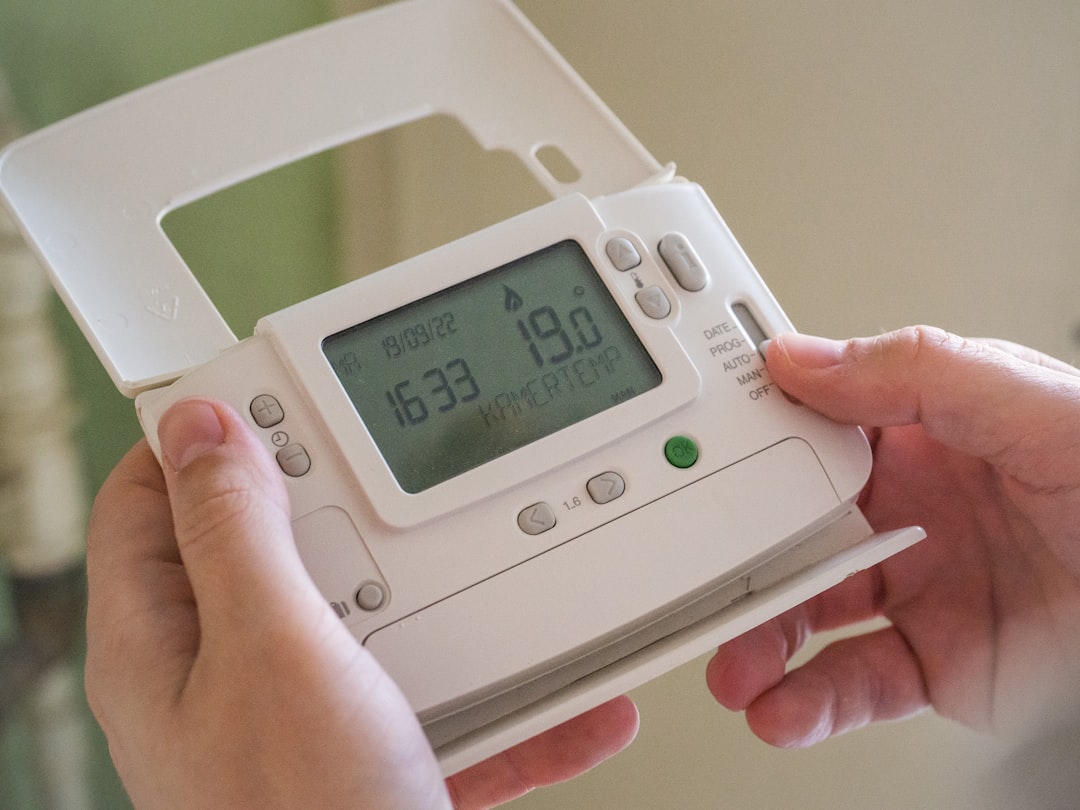
As temperatures drop and winter sets in, homeowners face unique challenges affecting indoor air quality (IAQ). The cold months often prompt us to seal windows tightly and reduce ventilation, leading to stale, dry air that can impact comfort, health, and safety. Understanding how winter weather influences indoor environments and adopting practical measures can help maintain healthy air quality — reducing risks of respiratory issues and improving overall home comfort.
In this guide, we dive deeply into the winter IAQ issues and provide actionable solutions tailored for homeowners determined to optimize their living spaces through the season.
The Impact of Winter Weather on Indoor Air Quality
Reduced Ventilation and its Effects
During winter, homeowners often keep windows and doors sealed to conserve heat, which drastically limits fresh air exchange. This reduced ventilation allows indoor pollutants, such as volatile organic compounds (VOCs) emitted from building materials, furnishings, and cleaning products, to accumulate. Additionally, elevated concentrations of carbon dioxide (CO₂) can build up, leading to discomfort, headaches, and reduced cognitive function.
Understanding proper ventilation strategies is key. For more on managing air flow and ventilation in the home, see our guide on AI Writing Tools to Enhance Family Communication, which includes tips on optimizing environmental control to improve living conditions.
Humidity Drops and Dry Air
Cold air holds less moisture, so indoor air tends to become very dry during winter heating periods. Low humidity can cause dry skin, irritated nasal passages, and exacerbate respiratory conditions like asthma. It can also affect wooden furniture, causing cracking or warping, and even damage potted plants.
Maintaining indoor humidity levels between 30% and 50% is optimal for health and comfort. For detailed strategies on controlling indoor humidity safely, consult our piece on Adapting Beauty Routines to Different Seasons, which also covers air moisture balance.
Temperature Fluctuations and Air Quality
Heating systems in winter often create uneven temperature zones, with warmer rooms feeling dry and cooler rooms prone to dampness or condensation. Condensation fosters mold growth, which profoundly affects IAQ by releasing spores and mycotoxins.
Using thermostats and zoning controls correctly helps keep temperatures consistent and reduces mold risk. For a deeper investigation into temperature management, check out Prepping for Gamers: Your Guide to the Best Local Game Sales This Month—the analogy between gaming setups and zone heating efficiency can be surprisingly instructive.
Common Winter Indoor Pollutants to Monitor
Carbon Monoxide (CO) Safety Risks
Winter heating increases reliance on combustion appliances such as furnaces, fireplaces, and portable heaters. Improperly vented devices can produce dangerous carbon monoxide gas, an odorless, colorless killer.
Pro Tip: Install and maintain carbon monoxide detectors near sleeping areas and heating appliances. Never use outdoor heating devices indoors.
Learn more about ensuring home safety from combustion sources in our safety-oriented article on Developing a Quick Response Playbook for Cargo Theft Incidents, which parallels incident preparedness protocols.
Particulate Matter (PM) From Indoor Sources
Winter often leads to increased use of candles, fireplaces, and cooking stoves, all of which generate particulate matter pollution indoors. These fine particles penetrate deeply into the lungs and can irritate respiratory tracts or worsen allergies and asthma.
To limit PM buildup, use air purifiers with HEPA filters and ensure kitchen ventilation systems are functioning optimally. Refer to our article The Rise of Plug-in Hybrids: Are They Worth the Investment? for energy-efficient appliance tips that connect well to reducing indoor emissions.
Mold and Allergens
Humidity from indoor activities or poor ventilation often causes mold proliferation. Dust mites also thrive in warm environments combined with humidity. Mold spores and dust mite allergens trigger asthma attacks, allergies, and other health issues.
Regular inspection and mold remediation, along with controlling humidity and dust, are crucial during winter months. Explore more about controlling indoor allergens in Fitness and Mental Wellness: How Exercise Impacts Mental Health, highlighting holistic wellness approaches.
Practical Measures to Improve Winter Indoor Air Quality
Optimizing Ventilation While Conserving Heat
Instead of sealing your home airtight, use controlled ventilation strategies such as heat recovery ventilators (HRVs) or energy recovery ventilators (ERVs). These systems exchange indoor and outdoor air while retaining most heat, balancing fresh air influx and energy savings.
Opening windows briefly but regularly can also help dilute pollutants. For a comprehensive look into smart home technologies that balance energy efficiency and comfort, see iOS 26 for Smart Home: Features to Enhance Your Home Experience.
Humidity Control Techniques
Utilize humidifiers safely to maintain optimal moisture levels, but monitor to prevent overhumidification that encourages mold. Placing water basins or houseplants can also moderate dryness subtly.
Dehumidifiers may be necessary if condensation and mold are issues. Refer to our guide Lighting Up Savings: How Smart Lamps Can Optimize Your Energy Bills for expert advice on energy-efficient appliances including humidifiers.
Regular Heating System Maintenance
Ensuring furnaces, boilers, and heat pumps operate efficiently and safely improves IAQ by reducing combustion pollutants and airborne dust. Change air filters routinely, schedule professional inspections, and clean ducts if applicable.
Our comparative insights on heating systems in Comparative Guide: Smart Sockets vs Water Filters — Which One Offers Better ROI? can offer parallels useful when deciding on ancillary devices for your HVAC setup.
Understanding and Managing Indoor Air Quality Technology
Air Purifiers and Filters
Portable air purifiers with HEPA and activated carbon filters can capture allergens, smoke, and VOCs effectively. Consider purifier size relative to room area for adequate performance.
Integration with smart home systems increases convenience, allowing remote monitoring and control. Learn more on innovative tools from Innovative Tools for Mentors: Best Practices for Digital Accessibility, applicable in smart device usability.
Carbon Monoxide and Smoke Detectors
Advanced detectors with digital displays and connectivity alert you instantly of dangerous gas levels, even when away from home. Regular testing and battery replacements ensure functionality.
For evolving short safety practices that mirror these devices, review Rituals for the Stage: How Preparing for a Performance Can Improve Your Mental Health, highlighting disciplined awareness.
Smart Sensors for Humidity and Temperature
Deploy sensors that continuously monitor indoor conditions providing real-time data to help adjust humidifiers, ventilation, and heating. This automation ensures stable environments conducive to health.
Explore the potential of personal intelligence automation in Personal Intelligence: A Game Changer for Productivity to understand how data-driven adjustments support better IAQ.
Safety and Health: Why Winter Indoor Air Quality Matters
Respiratory Health And Allergies
Poor IAQ intensifies respiratory problems during winter when immune systems face cold stresses. Ensuring clean, humidified air limits colds, flu, and allergy flare-ups, protecting vulnerable populations.
Mental Health and Comfort
Stale indoor air can cause fatigue and affect concentration, especially for remote workers or students. Proper circulation and humidity create environments that promote well-being and productivity.
Preventing Carbon Monoxide Poisoning
The winter season sees increased carbon monoxide incidents. Understanding risks and preventive actions saves lives. Reliable detectors and professional appliance inspections are non-negotiable safety measures.
Common Winter Indoor Air Quality Issues: Comparative Overview
| Issue | Cause | Symptoms | Prevention | Needed Equipment |
|---|---|---|---|---|
| Dry Air | Cold outdoor air + heating systems | Dry skin, irritation | Humidifier, plants | Humidifier, hygrometer |
| High Indoor Pollutants | Poor ventilation, combustion | Headaches, allergies | Ventilation, air purifier | Air purifier, CO detector |
| Carbon Monoxide | Faulty gas appliances | Headache, dizziness, poisoning | CO detectors, maintenance | CO detector |
| Mold Growth | High humidity, condensation | Allergies, respiratory issues | Humidity control, remediation | Dehumidifier, moisture meter |
| Particulate Matter | Fireplaces, cooking, candles | Irritated lungs, coughing | Air purifier, exhaust fans | HEPA filter purifier |
Choosing Professionals and Tools to Maintain IAQ
Finding Certified HVAC Technicians
Regular maintenance by certified professionals ensures heating systems operate safely and efficiently. Trustworthy installers can assess ventilation needs and recommend IAQ improvements tailored for winter conditions. For guidance on vetting specialists, see Transitional Strategies for New Renters: Nailing Your Lease or Planning Ahead — analogous to hiring processes for trusted service providers.
Selecting the Right Air Quality Devices
Not all air purifiers or humidifiers are equally effective. Research capacity, filtration types, and certifications to choose products suited to your home size and IAQ challenges. Our Comparative Guide: Smart Sockets vs Water Filters showcases how product comparisons can help decide best value.
Smart Home Integration Benefits
Connecting IAQ devices with smart home hubs enables automation and alerts to maintain steady air conditions without constant manual checks. Tailoring schedules for ventilation and humidification maximizes comfort and efficiency.
Monitoring Indoor Air Quality: Data and Tools
IAQ Monitors Explained
Devices that measure VOCs, particulate matter, temperature, and humidity produce comprehensive data on air quality. This allows homeowners to see trends, identify problem sources, and adjust settings appropriately.
Using Data to Optimize Conditions
Data-driven adjustments – e.g., increasing ventilation when VOCs spike from cleaning chemicals – prevent prolonged exposure. Many modern IAQ monitors integrate cloud apps for remote access and analysis.
Case Study: Winter IAQ Improvement in Suburban Homes
A 2025 study in a northern U.S. suburb showed that introducing HRVs and smart humidifiers reduced reported respiratory symptoms by 25% during winter months. Homes using IAQ monitors plus regular HVAC maintenance experienced the best outcomes.
Seasonal Preparation Checklist for Winter IAQ
- Schedule HVAC system inspection and filter replacement.
- Install or test carbon monoxide and smoke detectors.
- Ensure ventilation systems (HRV/ERV) are operational.
- Set up humidifiers and humidistats for consistent humidity.
- Check for mold or moisture damage around windows and basement.
- Invest in air purifiers with HEPA filters for frequently used rooms.
- Create a ventilation schedule that balances fresh air and energy conservation.
- Educate family members on safety and IAQ best practices.
Winter Indoor Air Quality FAQ
1. Does opening windows in winter waste heat?
Briefly opening windows for 5–10 minutes several times daily improves ventilation without significantly lowering indoor temperature.
2. How often should I replace furnace filters in winter?
Changing filters every 1–3 months, or immediately if visibly dirty, ensures airflow and reduces dust accumulation.
3. Can houseplants improve winter indoor air quality?
Yes, certain plants increase humidity and absorb some VOCs but should complement—not replace—ventilation and filtration.
4. What humidity level is best for winter?
Maintaining 30%–50% relative humidity balances comfort and inhibits mold growth.
5. How do I know if I have carbon monoxide issues?
Install CO detectors; symptoms include headaches, dizziness, nausea. Regular HVAC maintenance helps prevent CO leaks.
Related Reading
- Transitional Strategies for New Renters - How planning ahead can help you manage home comfort and maintenance effectively.
- The Rise of Plug-in Hybrids - Energy efficiency tips relevant to home appliances improving IAQ indirectly.
- Developing a Quick Response Playbook for Cargo Theft Incidents - Analogous safety preparation mindset for home IAQ emergencies.
- Comparative Guide: Smart Sockets vs Water Filters - Insights into choosing technology for improving home environments.
- Lighting Up Savings - How smart appliances can reduce energy cost and improve efficiency in winter.