In an era marked by rising living costs and increasing environmental concerns, energy efficiency in housing is not just a buzzword—it’s a necessity. Both institutional investors and homeowners are recognizing the tangible benefits that come with prioritizing energy-efficient homes, from substantial cost savings on monthly energy bills to improved long-term property values and sustainability. This comprehensive guide dives into why energy efficiency matters today and how smart investment in green housing can serve the future of real estate.
Understanding Energy Efficiency in Housing
What Defines an Energy-Efficient Home?
An energy-efficient home is designed and constructed to minimize energy consumption while maximizing comfort. This includes advanced insulation, efficient heating and cooling systems such as heat pumps or modern furnaces, well-sealed windows, and smart home technologies that optimize usage. For more on choosing the right heating system, see our detailed guide on choosing the right heating system.
Why Energy Efficiency Matters Now More than Ever
With global energy prices fluctuating and stringent sustainability goals set by governments worldwide, the demand for homes that consume less power and provide reliable comfort has skyrocketed. Notably, affordable home upgrades, including energy-efficient appliances, not only reduce bills but also improve resale value. Additionally, homeowners prioritizing energy efficiency contribute to reduced carbon footprints and better indoor air quality.
The Role of Energy-Efficient Homes in Combating Climate Change
Housing accounts for a significant percentage of energy consumption and greenhouse gas emissions. By investing in green housing solutions — such as solar integration, geothermal heating, and superior insulation — the real estate sector can meaningfully reduce environmental impact. Institutional investors have begun to recognize this, driving capital towards sustainable property portfolios that align with ESG principles.
Benefits of Energy-Efficient Homes for Homeowners
Lower Monthly Energy Bills and Cost Savings
One of the most immediate advantages for homeowners investing in energy-efficient homes is a marked reduction in heating and cooling costs, which often constitute a large portion of utility bills. High-efficiency HVAC systems and well-insulated homes maintain indoor temperatures with less energy input. For example, upgrading a furnace or heat pump can reduce heating bills by up to 30%. For a deeper dive into HVAC efficiency, explore our article on optimizing HVAC for energy savings.
Increased Home Comfort and Resilience
Energy-efficient homes maintain steady temperatures with fewer drafts and cold spots. Enhanced air sealing and quality ventilation also contribute to healthier indoor air, essential for families with allergy or respiratory concerns. This added comfort and reliability enhance everyday living and increase the attractiveness of a property to potential buyers or renters.
Higher Property Values and Marketability
Homes with proven energy efficiency measures typically sell faster and at higher prices. Certified green homes attract environmentally conscious buyers and renters, often commanding premiums over comparable traditional properties. Institutional investors increasingly prefer energy-efficient assets, which tend to offer more stable returns. To understand how these preferences shape the market, see real estate investors gaining edge with HVAC efficiency.
Energy Efficiency as a Strategic Play for Institutional Investors
Understanding the Cost-Benefit Analysis
For institutional investors managing large portfolios, the initial capital expenditure on green upgrades can seem daunting. Yet, extensive data reveals that energy-efficient properties incur lower operational costs, attract higher-quality tenants, and experience reduced vacancy. Automated tools and AI-driven analytics help evaluate these benefits across portfolios, as detailed in automating investment insights with AI.
Risk Mitigation and Regulatory Compliance
Energy efficiency investments reduce exposure to increasing energy price volatility, a critical risk factor in real estate valuation. Furthermore, as governments enforce stricter energy codes and regulations, early adoption of efficiency measures ensures compliance, potentially avoiding costly retrofits. Learn more about navigating regulatory risks in housing investment in navigating service and regulatory challenges.
Enhancing Portfolio Sustainability and ESG Credentials
ESG (Environmental, Social, Governance) criteria are now central to investment decision-making. Energy-efficient homes contribute to environmental goals and demonstrate social responsibility by lowering residents' energy burdens. Institutional portfolios boasting high energy performance often enjoy better access to capital and favorable financing conditions. For insight into sustainable investment trends, see sustainable fashion lessons paralleling real estate.
Innovative Technologies Driving Energy Efficiency
Smart Home Automation and IoT
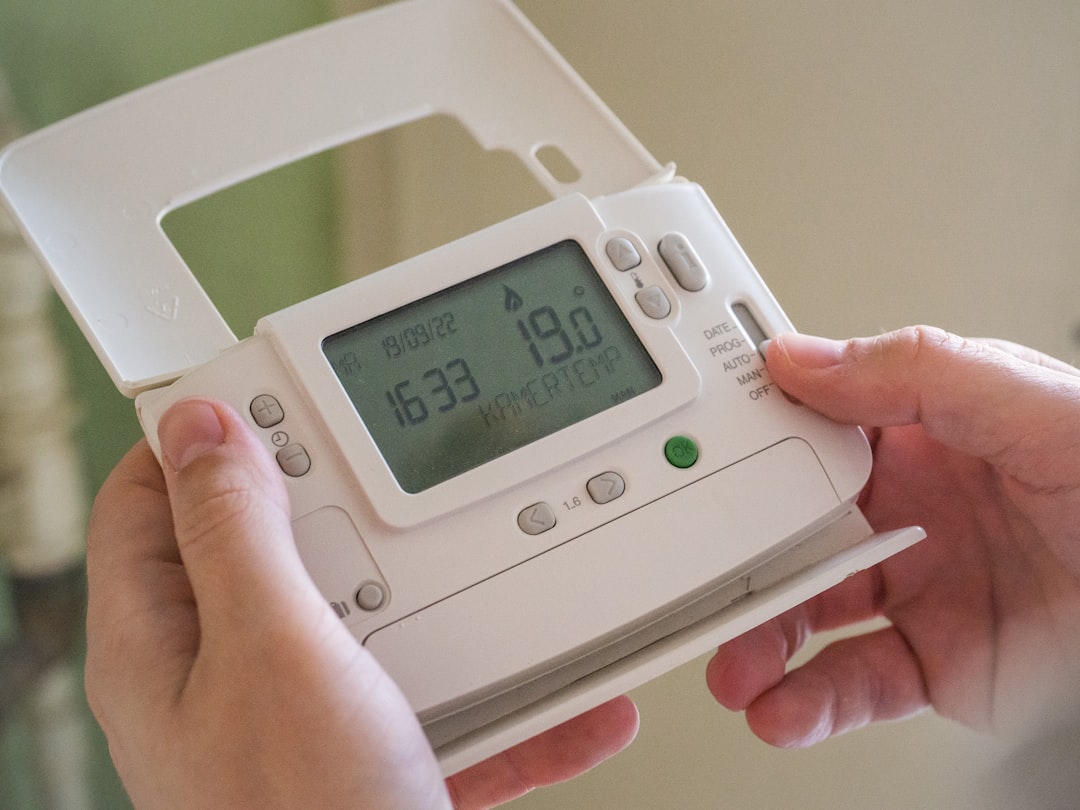
Smart thermostats, energy monitors, and automated window treatments optimize energy use in real time, adjusting heating and cooling based on occupancy and weather forecasts. These technologies empower homeowners and investors to track energy consumption and identify saving opportunities. For example, smart HVAC controls can reduce energy use by regulating systems for peak efficiency.
Advanced Insulation and Building Materials
Modern materials like spray foam insulation, insulated concrete forms, and reflective roofing drastically improve thermal performance. Retrofitting existing homes with these materials is a highly effective way to cut heating and cooling demand. Our guide on insulation materials for energy efficiency offers practical advice on selection and installation.
Renewable Energy Integration
Integrating solar panels, geothermal heat pumps, and energy storage systems allows homes to generate and use their own clean energy. This reduces dependence on the grid and shields homeowners from volatile energy prices. Institutional investors often bundle renewable upgrades with efficiency improvements for maximum impact.
Financing Energy-Efficient Home Investments
Incentives and Rebates
Many governments and utilities offer incentives to offset upgrade costs, including tax credits, grants, and affordable loans for energy-efficient installations. Homeowners can leverage these programs to reduce upfront expenses. Comprehensive lists of available incentives are regularly updated on official websites and can be accessed through local utility companies.
Green Mortgages and Loans
Specialized financing options, such as green mortgages, reward low-energy homes with favorable interest rates or higher borrowing limits. These instruments are gaining traction among institutional investors and homebuyers seeking energy-efficient properties.
Cost Versus Long-Term Savings
Investors and homeowners should view energy efficiency as a long-term tradeoff: the higher initial investment pays off through sustained cost savings on utilities. Detailed modeling tools can estimate payback periods and return on investment.
Case Studies: Real-World Examples of Energy-Efficient Investments
Residential Retrofit Success Story
In a suburban community, a group of homeowners collaborated to retrofit their aging properties with high-efficiency furnaces, improved insulation, and smart thermostats. Within a year, energy bills dropped by 25%, and the community's property values increased substantially. These local efforts demonstrate how collective action creates both individual and neighborhood benefits, as exemplified in our discussion of community-driven energy efficiency projects.
Institutional Investment Portfolio Transformation
A real estate investment trust (REIT) specializing in urban residential buildings prioritized green technology integration across its portfolio. The initiative included upgrading HVAC systems, sealing leaks, and adding solar panels. The portfolio saw improved tenant satisfaction and retention, along with a 15% reduction in operating expenses within two years. Discover related energy efficiency strategies in our article on HVAC upgrades for real estate investors.
New Construction: Creating Modern Green Communities
A recent housing development in a major metropolitan area was designed from the ground up with energy efficiency as a cornerstone — featuring energy-efficient appliances, advanced building envelopes, and integrated renewable systems. The development became a model for sustainable living, attracting a premium market segment. Learn more about designing such communities in sustainable new home construction.
Challenges and Considerations When Investing in Energy Efficiency
Balancing Upfront Costs and Long-Term Value
While the benefits are clear, the higher upfront cost of energy-efficient technologies can deter some homeowners or investors. Detailed financial planning and understanding incentive programs mitigate this barrier. Check our guide on calculating energy upgrade ROI for formulas and tools.
Finding Qualified Contractors and Installers
Quality installation is critical to realizing efficiency gains. It’s essential to work with certified, experienced professionals to avoid problems such as poor air sealing or incorrect HVAC sizing. For tips on identifying reputable service providers, see finding reliable HVAC installers.
Changing Building Codes and Standards
Regulations evolve, requiring investors to stay informed and adaptable. Staying ahead of codes enhances property values and avoids future costs. Our article on building code compliance helps decode complex regulatory landscapes.
Comparing Popular Energy-Efficient Heating Systems
| System | Efficiency Rating | Installation Cost | Typical Energy Savings | Climate Suitability |
|---|---|---|---|---|
| High-Efficiency Furnace | 95-98% AFUE | Moderate | 20-30% | Cold & Moderate |
| Heat Pump (Air Source) | 200-300% COP | Higher | 30-50% | Mild to Moderate |
| Geothermal Heat Pump | 300-600% COP | Highest | 40-60% | All climates |
| Boiler (Condensing) | 90-98% AFUE | Higher | 25-35% | Cold |
| Pellet Stove | 70-85% Efficiency | Moderate | 15-25% | Cold |
Pro Tip: Choosing the right heating system tailored to your climatic zone maximizes both comfort and cost savings. Read our full guide on how to choose a heating system.
Future Outlook: The Growing Importance of Energy Efficiency in Real Estate
Market Trends Driving Green Investments
Data shows an increase in buyer and renter demand for energy-efficient homes, coupled with stricter lending criteria favoring green properties. As noted in real estate investors gaining edge with HVAC efficiency, these trends point toward a future where sustainability is integral to value.
Technological Innovation and Its Impact
Emerging technologies such as AI-driven energy management and advanced materials promise to further transform home energy efficiency. Investors and homeowners who adopt these innovations early stand to benefit from lower costs and improved marketability.
How Policy and Incentives Will Shape Decisions
Government policies worldwide continue to incentivize energy efficiency. Staying informed on changing frameworks ensures access to grants, rebates, and favorable financing that enhance returns. See our piece on navigating refund and incentive policies for more guidance.
Frequently Asked Questions
1. How much can I realistically save on energy bills by upgrading to an energy-efficient home?
Depending on the severity of the upgrades and climate, savings can range from 15% to over 50% on heating and cooling costs annually.
2. Are there financing options specifically for energy-efficient home improvements?
Yes, options like green loans, energy-efficient mortgages, and government rebates help offset upfront costs.
3. What are the most effective energy-saving upgrades for older homes?
Insulation, air sealing, upgrading to high-efficiency HVAC systems, and installing smart thermostats provide significant improvements.
4. How do institutional investors evaluate the energy efficiency of properties?
They use energy audits, consumption data, and sustainability ratings to quantify efficiency and forecast operating cost savings.
5. Can energy-efficient homes improve indoor air quality?
Yes, by incorporating proper ventilation and air filtration along with airtight construction, energy-efficient homes often have better air quality.
Related Reading
- Finding Reliable HVAC Installers - Tips on selecting trustworthy HVAC professionals for your home upgrades.
- Real Estate Investors Gaining Edge with HVAC Efficiency - How HVAC upgrades impact real estate markets.
- Sustainable New Home Construction - Key principles for building green from the ground up.
- Understanding Water and Energy Use of Modern Washers - Analyzing how energy-efficient appliances contribute to savings.
- Community-Driven Energy Efficiency Projects - Examples of neighborhood collective efforts for energy savings.