Heating, ventilation, and air conditioning (HVAC) systems are integral to maintaining comfortable home environments year-round. Yet, homeowners frequently encounter issues that disrupt comfort, increase energy bills, and sometimes lead to costly repairs. Empowering homeowners with actionable HVAC troubleshooting skills can save money, extend system lifecycle, and reduce reliance on emergency repair calls.
In this definitive guide, we'll dive deep into the top 5 common HVAC problems & detailed DIY troubleshooting techniques that blend maintenance tips with practical expertise. If you're a homeowner seeking reliable steps to diagnose and mitigate issues before calling a technician, this is your essential resource.
1. HVAC System Won't Turn On: Power and Thermostat Checks
Understanding Electrical Basics for HVAC
One of the most common HVAC problems is the system not powering on. Usually, this stems from electrical issues such as tripped breakers, blown fuses, or disconnected power switches. As a homeowner, first verify your HVAC's circuit breaker panel. Reset any tripped breakers by switching them off and then on again.
Power interruptions may also occur due to a blown fuse in the disconnect box near your outdoor condenser unit. Ensure the disconnect box is safely inspected or replaced by a professional if needed to avoid electrical hazards.
Thermostat Function and Setup
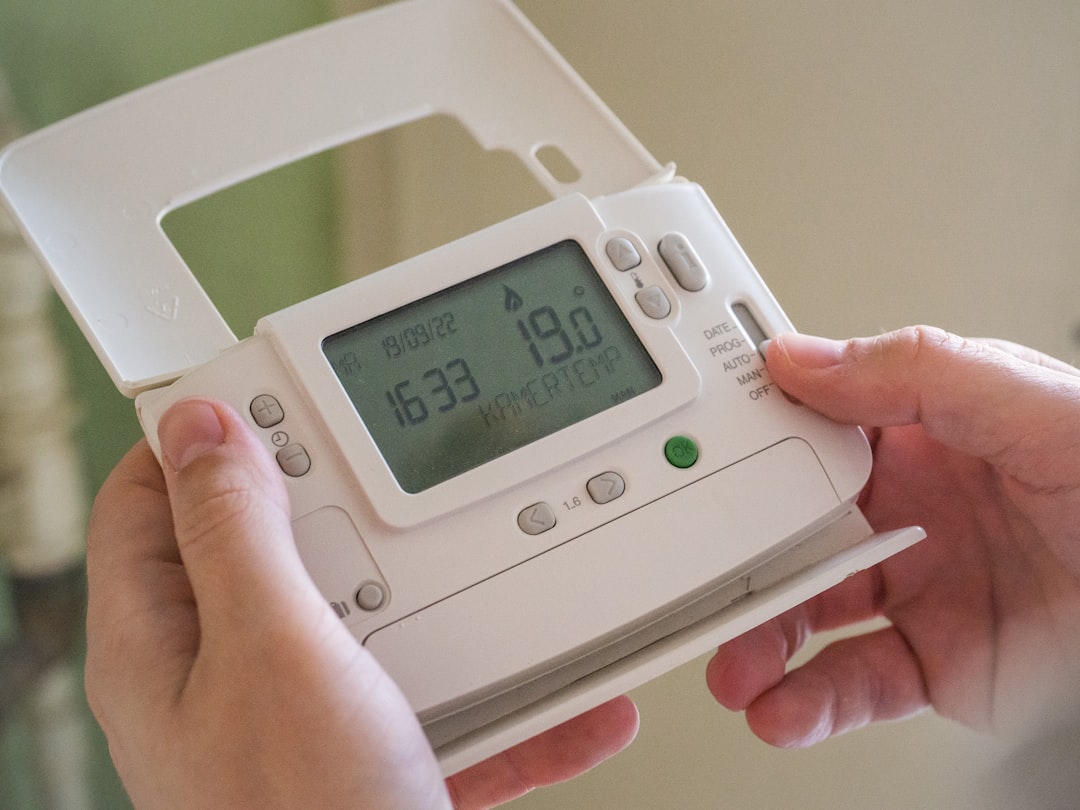
Another frequent cause for an HVAC system failing to turn on is thermostat malfunction or incorrect settings. Check the thermostat display for battery power—some units require replacement batteries annually. Confirm that the thermostat is set to the correct mode, either heating or cooling as appropriate, and the temperature is set below (for cooling) or above (for heating) the room temperature.
If your thermostat uses advanced features (like Wi-Fi connectivity or smart-home integration), ensure that it is properly connected to your home network—as misconfiguration can prevent your system from activating. For more on thermostat selection and setup, refer to our comprehensive thermostat guide.
DIY Techniques for Early Diagnosis
After verifying power and thermostat settings, listen for any clicking or humming sounds that indicate system attempts to start. If you hear nothing, it might be a blower motor or control board issue that needs professional evaluation. Before concluding failure, also confirm that your HVAC timer or programmable settings are not inadvertently delaying system startup.
Pro Tip: Use a non-contact voltage tester for safe preliminary electrical checks before resetting breakers.
2. Inadequate Heating or Cooling: Airflow and Refrigerant Clues
Filter Maintenance to Optimize Airflow
Poor airflow is a common culprit when heating or air conditioning feels weak. Dirty filters cause restricted airflow, forcing your system to work harder and resulting in uneven temperatures and higher energy bills. Replace your HVAC filter every 1–3 months depending on use and filter type.
Explore our article on seasonal cleaning for HVAC systems for step-by-step instructions on maintaining air filters and coils to prevent performance degradation.
Checking Vents and Registers
Sometimes homeowners overlook closed or obstructed supply vents and return registers. Make sure all vents are open and unobstructed by furniture or drapes to ensure optimal circulation.
In multi-story homes or additions, uneven airflow issues may arise from undersized ductwork or leaky ducts. While comprehensive duct sealing requires a professional, minor duct leakage can sometimes be spotted near main vents by feeling for drafts or uneven temperature differences between rooms.
Refrigerant Levels and Leak Indicators
For air conditioning systems, low refrigerant typically causes inadequate cooling despite proper airflow. Unfortunately, refrigerant handling involves EPA regulations and specialized tools, so homeowners should avoid DIY recharge attempts.
Signs of a refrigerant issue include ice buildup on refrigerant lines or the evaporator coil, longer cooling cycles, and warm air blowing from vents. To learn more about refrigerants and responsible maintenance, see our maintenance tips for cooling efficiency.
3. HVAC System Cycling Too Frequently or Running Constantly
Causes and Consequences of Short Cycling
Short cycling happens when your HVAC turns on and off too frequently, causing wear and elevated energy bills. Common causes include oversized equipment, clogged air filters, or thermostat placement near heat/sunlight sources giving false temperature readings.
Check your air filter and replace it if dirty. Also inspect thermostat location; relocating it away from windows or lamps can improve accuracy.
Continuous Operation Issues
If your system runs all the time without reaching the target temperature, the problem could be low refrigerant (cooling), faulty blower fan, or issues with the outdoor condenser unit.
Blockage around the outdoor unit—like leaves, debris, or tall grass—can reduce heat exchange efficiency. Regular cleaning of the condenser fan and coil surface with appropriate care is recommended. A professional tune-up annually can prevent prolonged operation issues, as highlighted in our seasonal HVAC maintenance checklist.
DIY Troubleshooting Steps
Try adjusting the thermostat temperature by a few degrees to gauge if cycling frequency changes. Monitor the unit for any unusual noises or vibrations, and ensure airflow is consistent at registers. Avoid repeatedly switching the unit on/off manually as it can damage components.
Pro Tip: Regularly clean or vacuum around equipment to prevent debris buildup that impacts operation cycles and component longevity.
4. Strange Noises from Your HVAC System
Identifying Common HVAC Sounds
While some operational noises are normal, such as the hum of the compressor or fan blades, unusual sounds can signal problems:
- Banging or clanking: Could indicate loose or broken components like fan blades or motor mounts.
- Squealing or screeching: Often caused by worn belt drives or failing blower motors.
- Rattling: May result from debris inside ducts or loose panels.
Document the type and timing of sounds to relay accurate information to HVAC service professionals if needed.
Basic Checks and User Actions
Isolate the source of noise by examining the indoor air handler and outdoor unit separately. Tighten any visible panel screws and clear debris carefully. Lubricate accessible fan motors with manufacturer-approved lubricants only if you have the knowledge.
Ensure all registers and grills are firmly attached as loose fittings can cause rattles amplified by airflow.
When to Call a Technician
If noises persist despite your checks, or you suspect electrical motor issues, avoid further DIY intrusion; this protects safety and warranty. Immediate professional service can prevent expensive system failures indicated by these sounds.
5. Unexpected High Energy Bills Linked to HVAC Operation
How HVAC Issues Drive Up Costs
Are your heating or cooling bills spiking without a change in usage? Inefficient HVAC troubleshooting often uncovers root causes like dirty filters, failing thermostats, refrigerant leaks, or outdated equipment.
Seasonal irregularities in cost can also come from neglected seasonal cleaning, causing strain on HVAC parts.
Energy Usage Comparison Table for Common HVAC Problems
| Issue | Impact on Energy Use | Symptoms | DIY Check | Recommended Action |
|---|---|---|---|---|
| Dirty Air Filter | 10-15% increase | Reduced airflow, cycling | Inspect/replace filter | Replace monthly or bimonthly |
| Thermostat Malfunction | 5-10% increase | Inaccurate temp readings | Check settings/batteries | Reset or replace thermostat |
| Low Refrigerant | 20-30% increase | Weak cooling, ice buildup | Look for leaks, ice | Call certified technician |
| Leaky Ducts | up to 20-40% increase | Hot/cold spots | Inspect ducts visually | Schedule duct sealing |
| Oversized HVAC Unit | Frequent cycling increases consumption | Short cycling, humidity issues | Professional load calculation | Consider replacement |
Proactive Steps to Control Costs
Regular maintenance, including filter changes, duct inspections, and thermostat recalibration, is essential for energy-efficient operation. Additionally, upgrading to ENERGY STAR-rated HVAC units can drastically reduce bills long term. Explore our home heating and air conditioning maintenance tips to optimize your system.
Frequently Asked Questions on HVAC Troubleshooting
How often should I replace my HVAC air filter?
For most homes, a filter replacement every 1-3 months is optimal. Homes with pets or high dust require more frequent changes to maintain airflow and air quality.
Can I recharge my air conditioner refrigerant myself?
Due to environmental laws and safety risks, refrigerant recharge requires EPA-certified professionals. DIY refills are discouraged and potentially illegal.
Why does my HVAC system freeze up during operation?
Freezing typically indicates poor airflow (dirty filter/blocked ducts), low refrigerant, or thermostat issues. Prompt inspection and maintenance can prevent compressor damage.
What indoor temperature setting saves the most energy?
Setting thermostats between 68-72°F in winter and 75-78°F in summer balances comfort and savings. Programmable thermostats enable automatic adjustments while away.
Is it better to repair or replace an old HVAC unit?
If repairs exceed 50% of replacement cost or unit is over 15 years old, investing in a new energy-efficient system is generally advised.
Conclusion: Empowering Homeowners to Troubleshoot HVAC with Confidence
Troubleshooting common HVAC issues effectively requires a mixture of basic electrical awareness, mechanical inspection, and timely maintenance. By mastering these top 5 DIY repair and diagnostic steps, homeowners can minimize emergency calls, optimize home comfort, and achieve meaningful cost savings on heating and cooling.
For ongoing HVAC care strategies, exploring comprehensive resources like seasonal cleaning checklists and home heating system comparisons will bolster your knowledge and confidence.
Remember, some repairs require licensed professionals; staying informed helps you know when to DIY and when to call an expert—a key to sustaining your HVAC investment.
Related Reading
- The Importance of Seasonal Cleaning for Your HVAC System: A Homeowner’s Checklist - Essential steps to maintain HVAC efficiency throughout the year.
- A New Era of Real Estate Marketing: The Ban on AI Art and Its Implications - Understanding home marketing trends that affect property HVAC value.
- Top 10 Ways to Incorporate Sports in Your Next Travel Adventure - Insights on integrating wellness with home comfort vacations.
- Sustainable Beauty Trends: How Eco-Friendly Practices Are Shaping Skincare - Parallels in eco-conscious home and lifestyle improvements for healthier living environments.
- Gaming Gear on a Budget: How to Score the Best Deals This Season - Smart shopping habits applicable to HVAC system upgrades and parts.